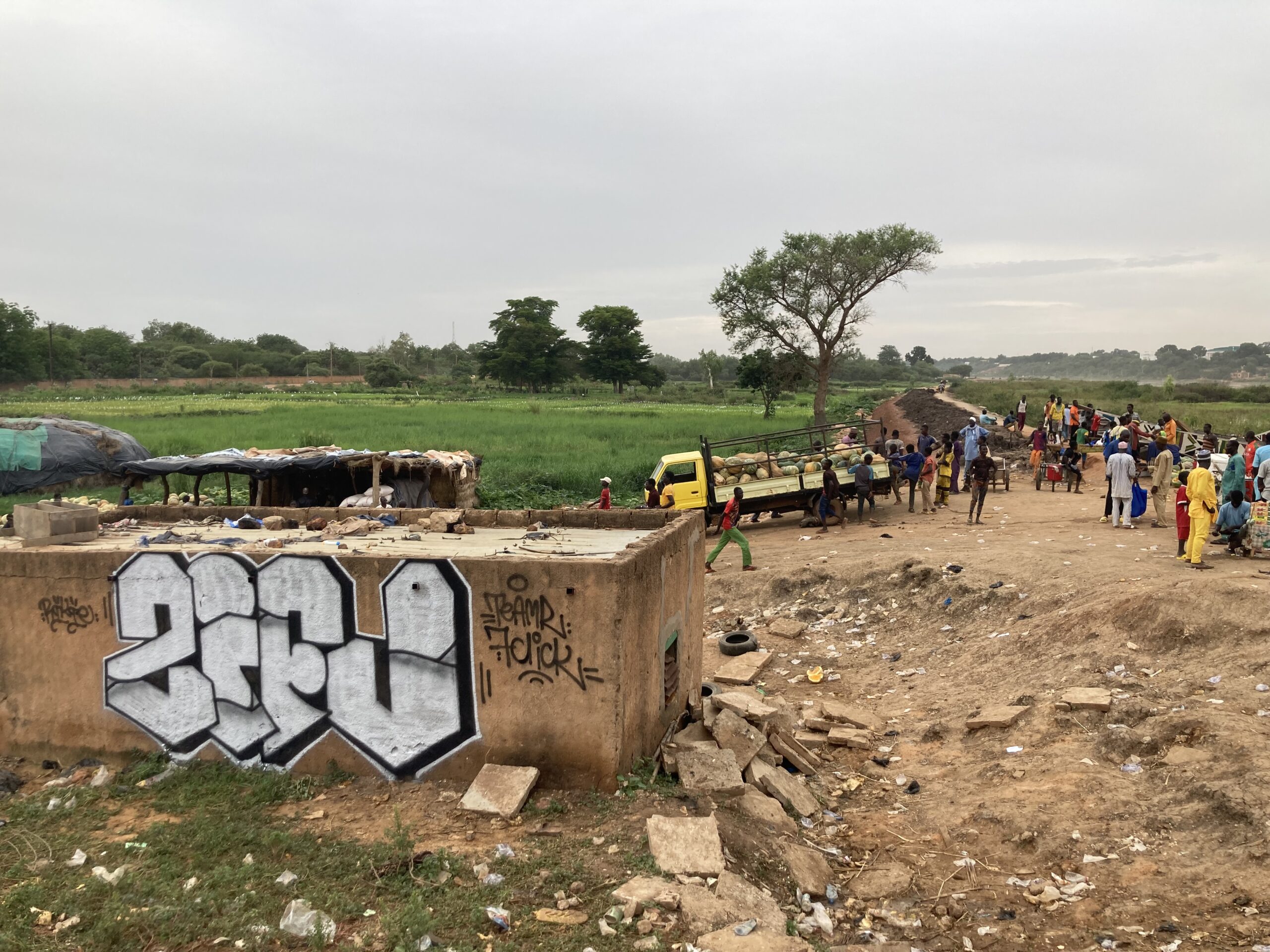
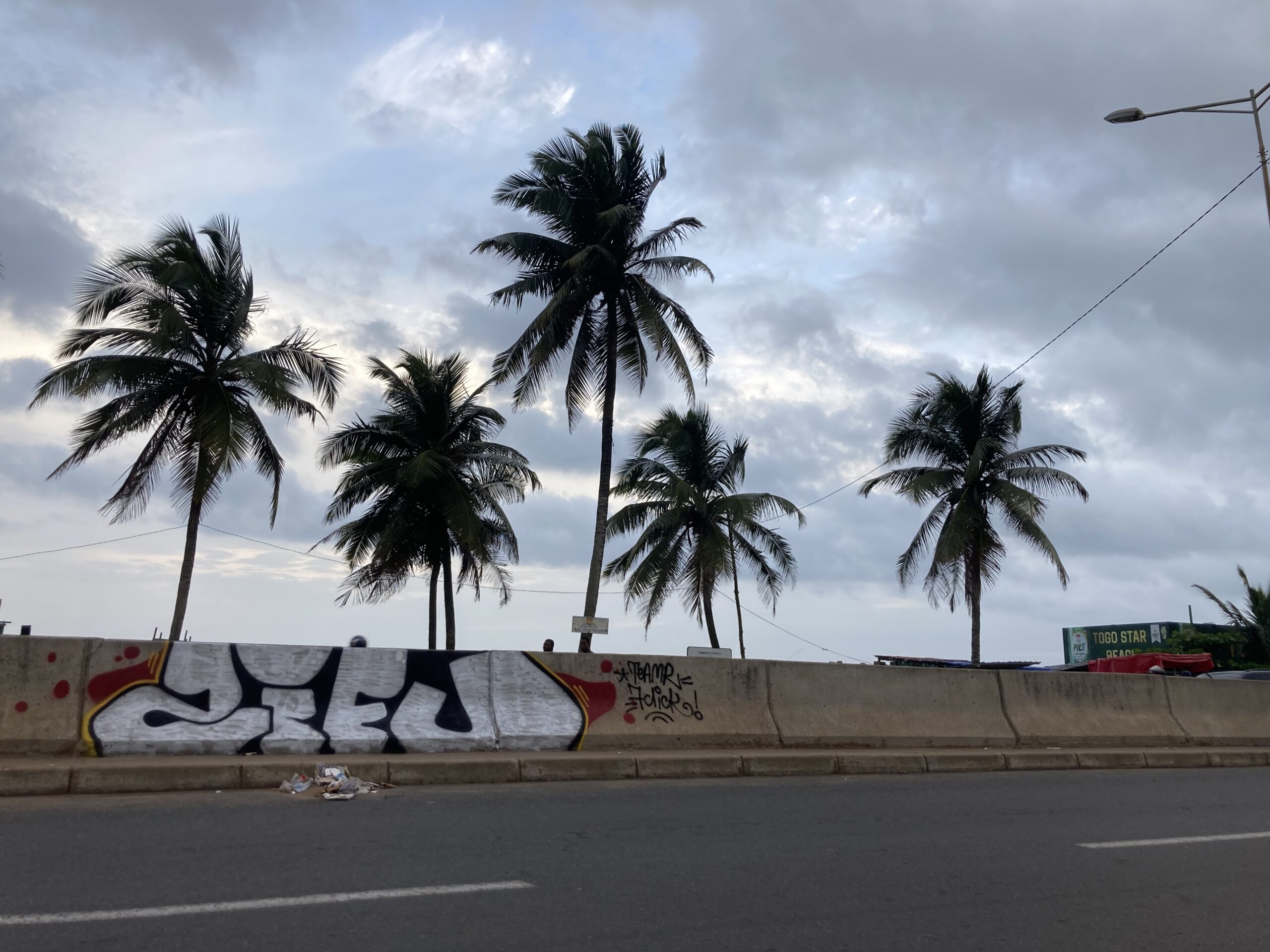
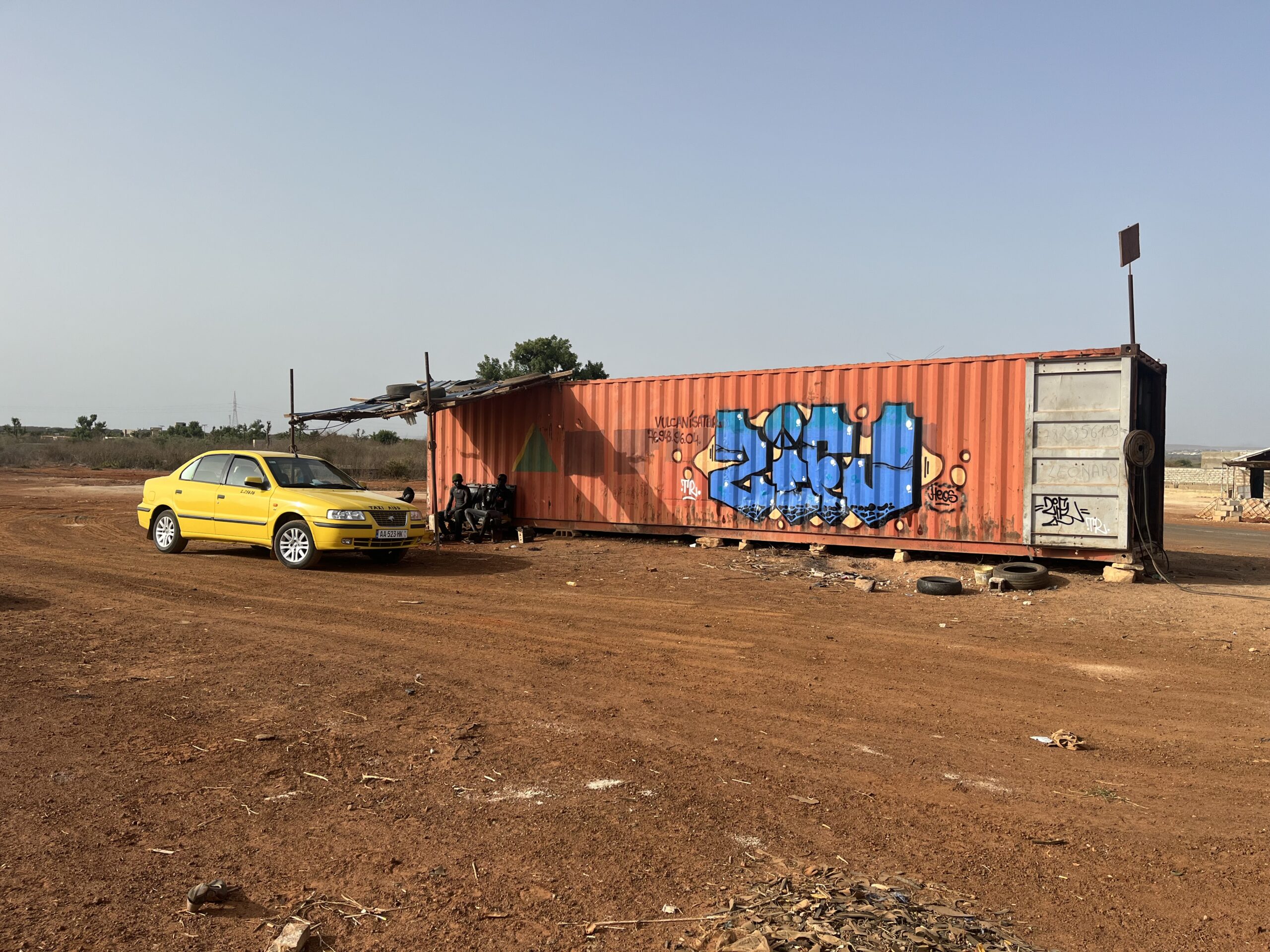
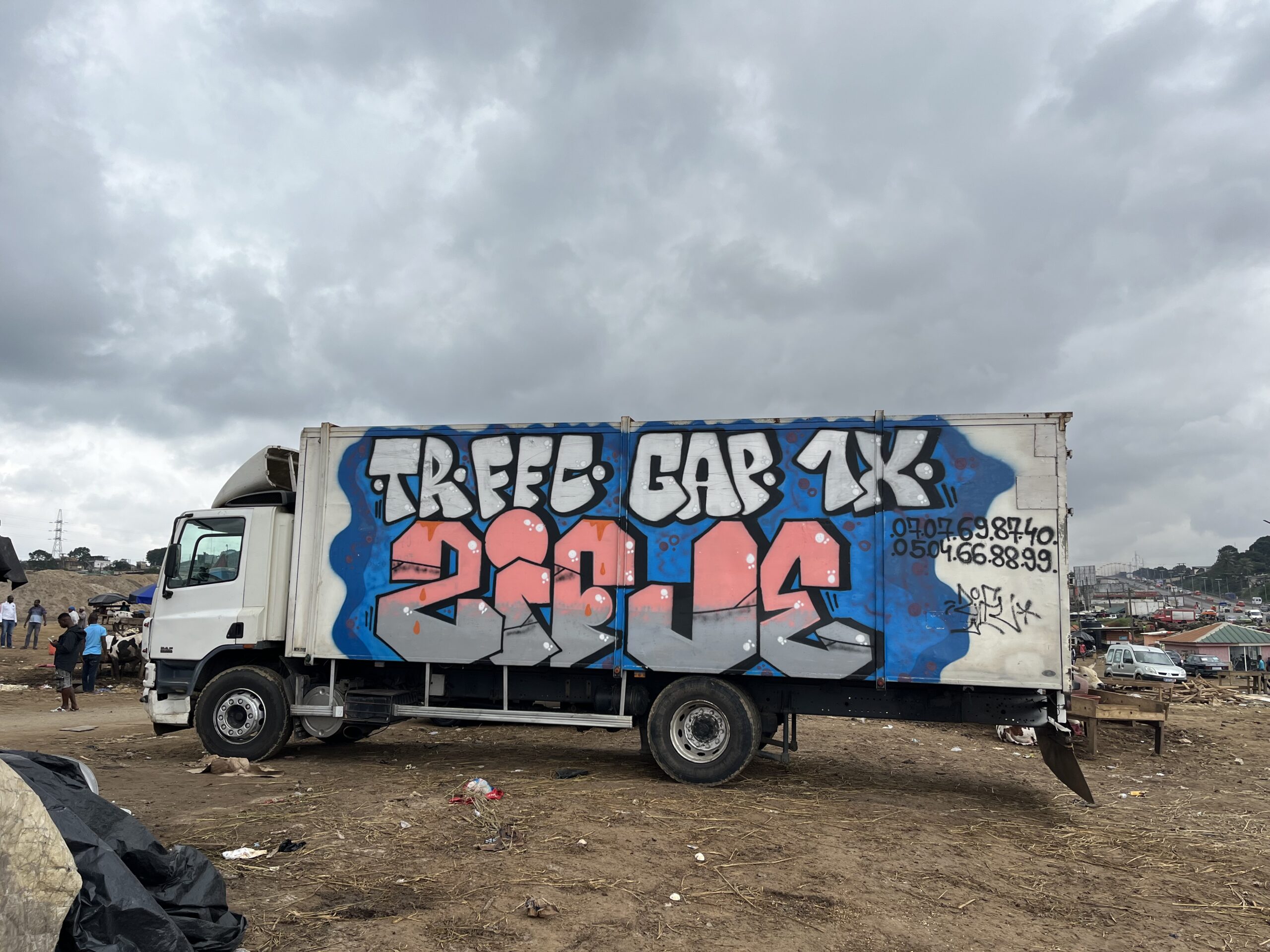
When I told a common friend I was going to visit Ivory Coast, he suggested: “Be sure to meet up with Zifu, he is the king there!” He didn’t have to convince me. Earlier that year, while in Senegal, I had noticed something unusual: Zifu had more pieces in Dakar than the entire local scene — despite being, technically, just a tourist from a neighbouring country.
West Africa can feel chaotic, unpredictable, bureaucratic, sometimes dangerous. But for painting? It offers a form of freedom that is difficult to find elsewhere. As The Grifters once said:
Freedom is not defined by safety.
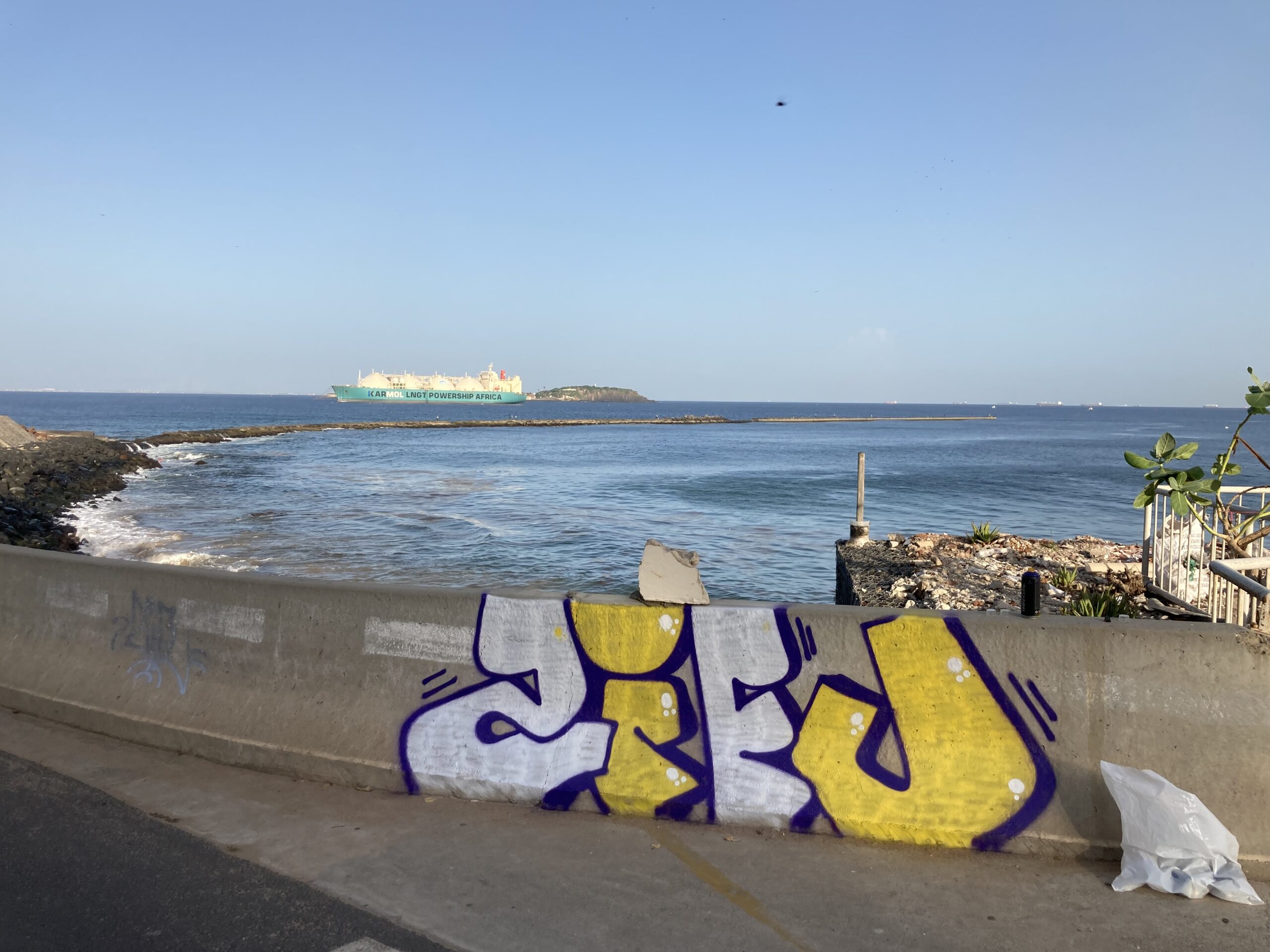
Origins, First Pieces and the “First Generation”
Boxir: Hello Zifu, nice to hear from you again. Can you briefly introduce yourself for our readers, telling us how you got hooked into graf and how it grew further? Give us a bit of a glimpse on your peculiar background and the special existing context, related to the history of your country, when you started painting. Can we consider you as a very first generation of Western African writers? Was there anything before for what you know?
Zifu: Hello Boxir! First of all, thank you for this interview! Quick introduction: I was born in Europe and 2 weeks later I was brought to Abidjan. I grew up in Ivory Coast and I had the luck to travel back to Europe every summer to visit my family. As a teenager, I was into Reggae music before becoming a Hip Hop fan. I tried rapping with some friends but it wasn’t my thing. There was no B-boy in the country and I was not good at dancing either!
It all started when I went for a trip with my parents to France, and I remember discovering the Periphérique of Paris covered in graffiti. I don’t really know how but I was already doing some kind of calligraphy and I really enjoyed writing as a teenager. After that trip I started scratching the tables in my high school, and leaving a mark behind. Back then, I can say there were only two of us in the whole school trying to do some graffiti (Shoutout to EPS that is now based in Lebanon!).
At the time, it was just the beginning of the Internet in Europe. We didn’t have access to any documentation, nothing at all! We used to receive the French rap magazines at the time, I remember for example Radikal. There were always 2 or 3 pages with Silver pieces! At the beginning of the internet, we were waiting for the magazines to arrive. We are from this generation that could actually wait for some content… there were no spray cans back then in the stores, maybe a few; however they were super expensive, and in places where we could not steal!
Every time I was going on holiday to Europe, the graffiti in the streets was literally slapping me! I really wanted to bring this art home and make people aware of that discipline.
It was in 1999 that I brought the first cans and I hit the streets straight, I did some throwups on my way to school! At the time there were some tags in the streets and on the buses from the national company! These were made by young guys using drain oil and brushes! It was definitely some tags, there were no pieces at that time. I was very young but at this time there was one guy pushing it more than others and his tag was VIRUS. But then this phenomenon was eradicated by the cops I guess, around 2000. When the war started, in the beginning of the 2000, I was evacuated to Europe and this is when I really discovered graffiti!
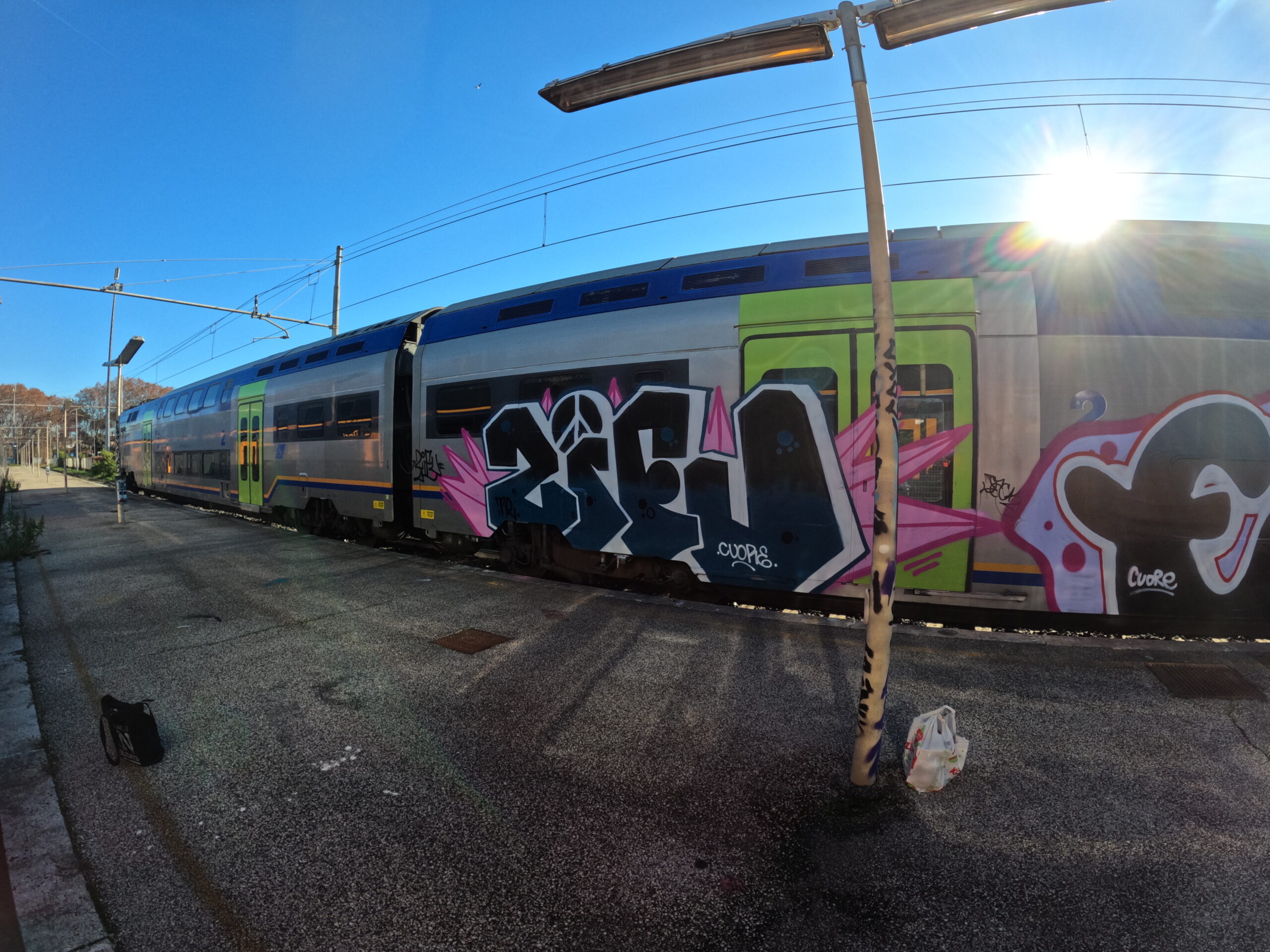
I stayed in Europe to continue my studies, and each time I went back to Abidjan for holidays I would bring cans! In Europe, I entered a crew at school and my crewmates taught me the basics of graffiti. I will never thank them enough for what they did! As I have never dropped the passion, even after so many years, they think I’m crazy. After painting in the streets, highways and tracksides, we started painting trains and subways. I also started collecting models. This was the moment when I would be painting the most in my life, I guess.
I think I did my first color pieces around 2001 in Ivory Coast! In the sense of making colour pieces, I am the first generation of Western African writers! Some friends from Europe visited me and we painted together in the streets.
Orthodoxy, Murals, and the Calao Bird
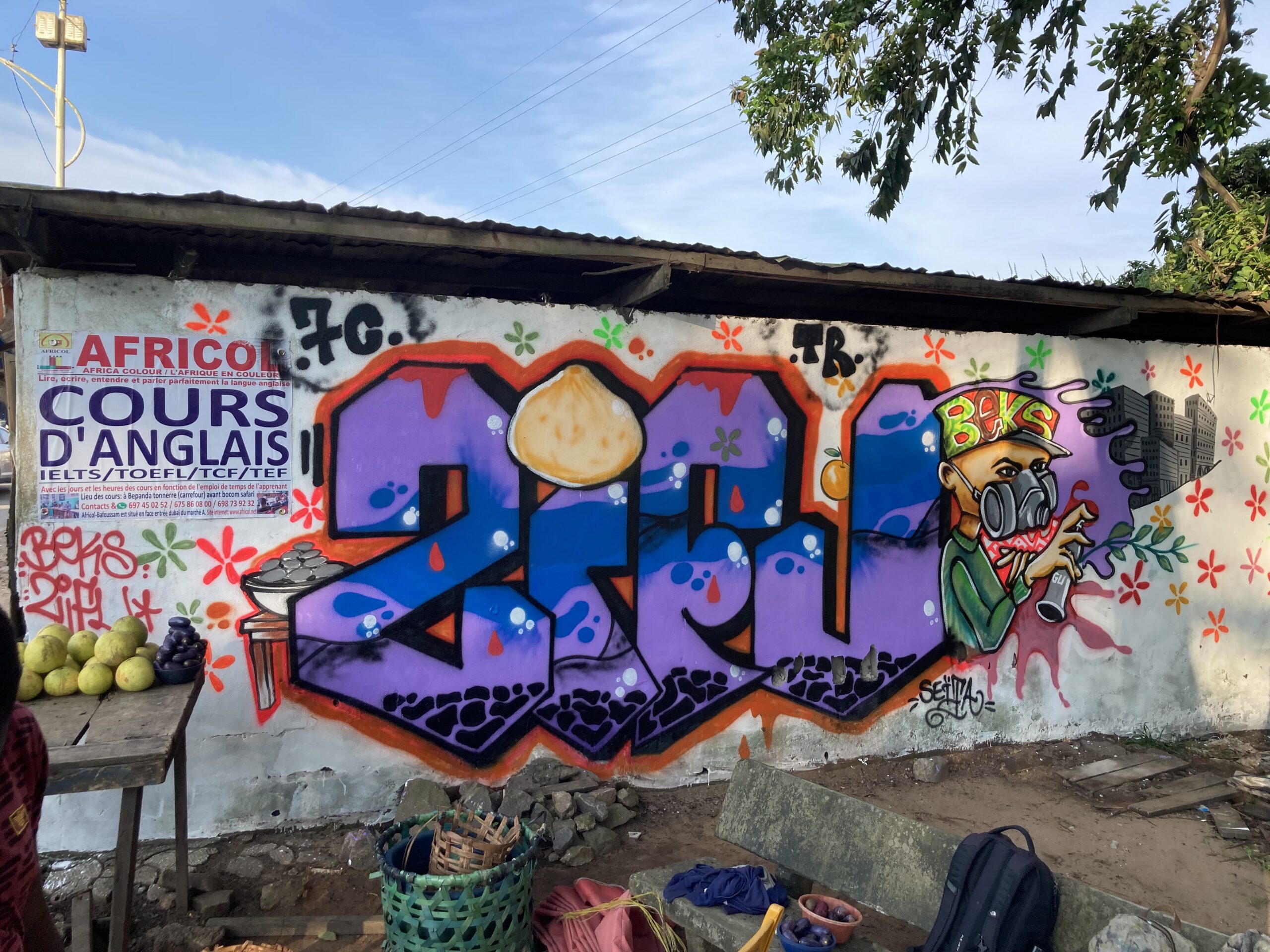
Boxir: It’s pretty easy to spot it in Abidjan or Dakar and maybe pretty redundant to point out for the ones knowing your work and the area, but you have a completely different approach when compared to the scene surrounding you. I can explain it better: Africa has a strong root in mural art in general and the local scenes tend to fall easily into commission jobs, muralism and fine art, more than into the classic definition of graffiti. On the other hand, you keep a very orthodox approach, I cannot imagine anything more true to the game than going all city and keep on painting in the street. Hence by being aligned to the “tradition” you ended up being the real different one, popping up from the mass. I remember you told me something like: “I do an exhibition a year because I paint in the streets, I don’t paint in the streets to do exhibitions”, that resumes your philosophy pretty well, so how do you see graffiti and why do you think it’s so important to keep it to its “historical” roots in a context that is so different from the one that generated this culture?
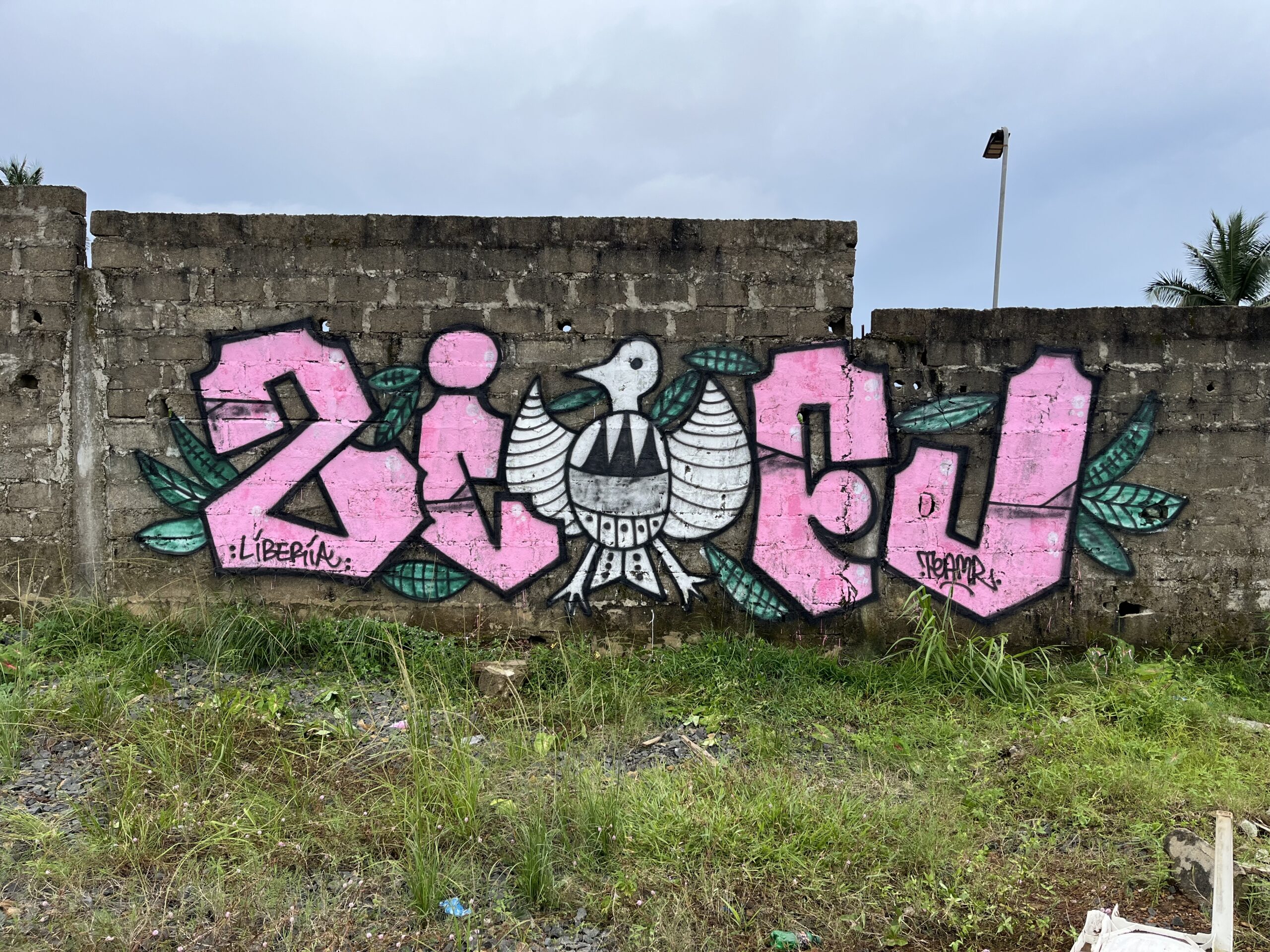
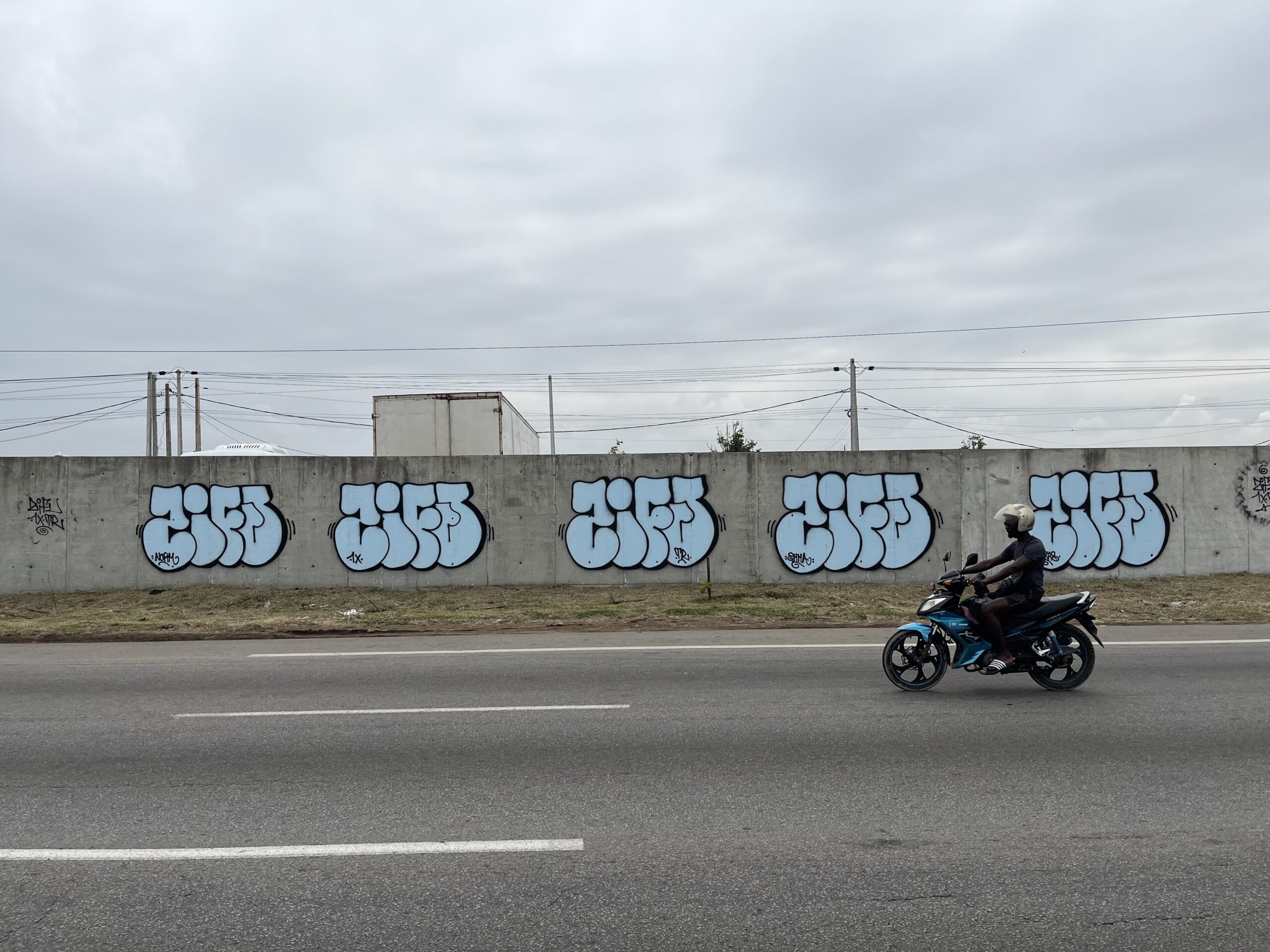
Zifu: Thanks for that question! You know, I’ve learned graffiti in the streets at my beginnings. I also painted in abandoned places to develop my skills. Graffiti is a passion for me, a hobby, and I want to stay true to the game. We had one goal when we started: do as much as we can, with the means we had. I try to stay close to this way of painting. West African capital cities are, in general, pretty extended. So when I am in an area where I paint, I usually make a big piece and a few throwups to maximize my movements. It’s easier also to use as much paint as possible and travel back lighter then! If I am in Abidjan or abroad, I usually prepare a few spots on the way before going to paint them!
I dislike some of the new graffiti generation here, that is painting to be known, get some fast « fame », and eventually sell their « art »… Actually, I only started doing canvases in 2021 as the museum Mucat contacted me through a friend and told me: “We can’t make an exhibition about street art in Ivory Coast without mentioning your work.” I wasn’t really up for it at the beginning, but finally my friend convinced me. In a way, it was a way to become more popular, and eventually to make money in order to hit the streets even more! After so many years of being ‘discreet’, I made an instagram account and started publishing stuff.
In West Africa people were doing mostly commission work and there is not much graffiti in the streets. Some local scenes are emerging, slowly but surely. If someone had told me, back when I started to paint, that one day I would paint and sell canvases, I would have never believed him! This is the attitude that I miss around here; most of the young guys are painting to sell something in the future, it’s not the correct approach for me! I am trying to pass my message and «train» them, but I have to admit it is tough!
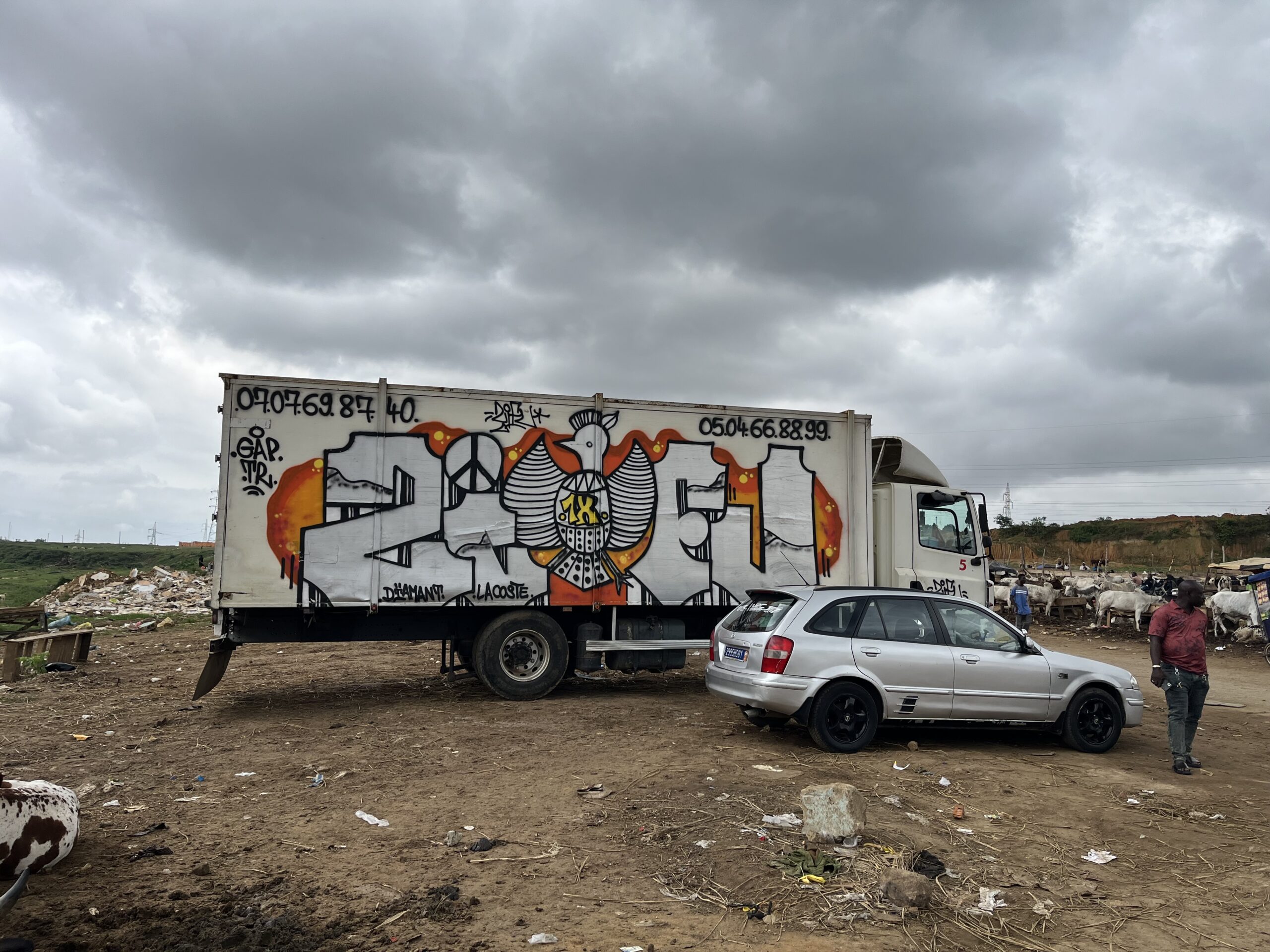
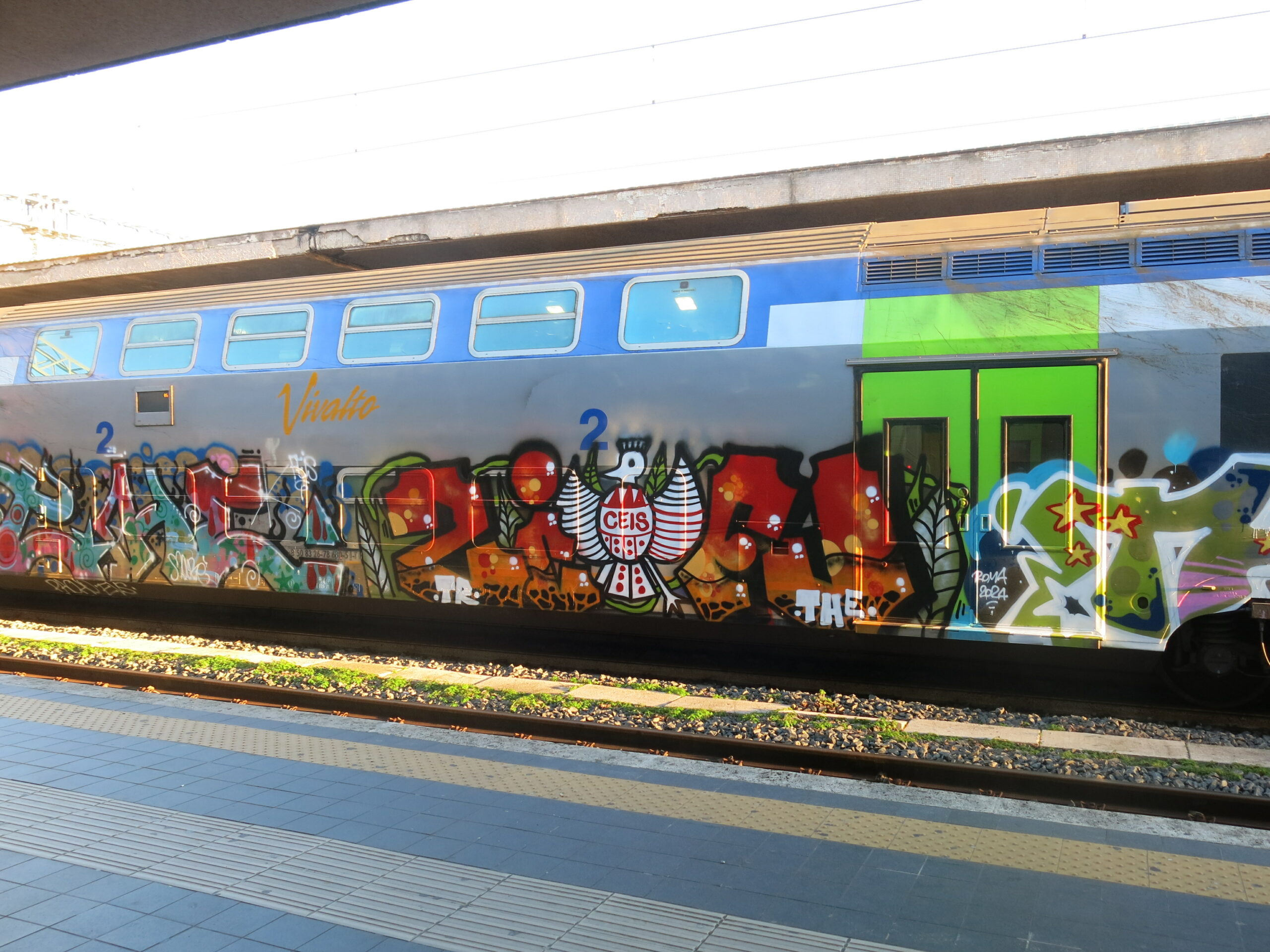
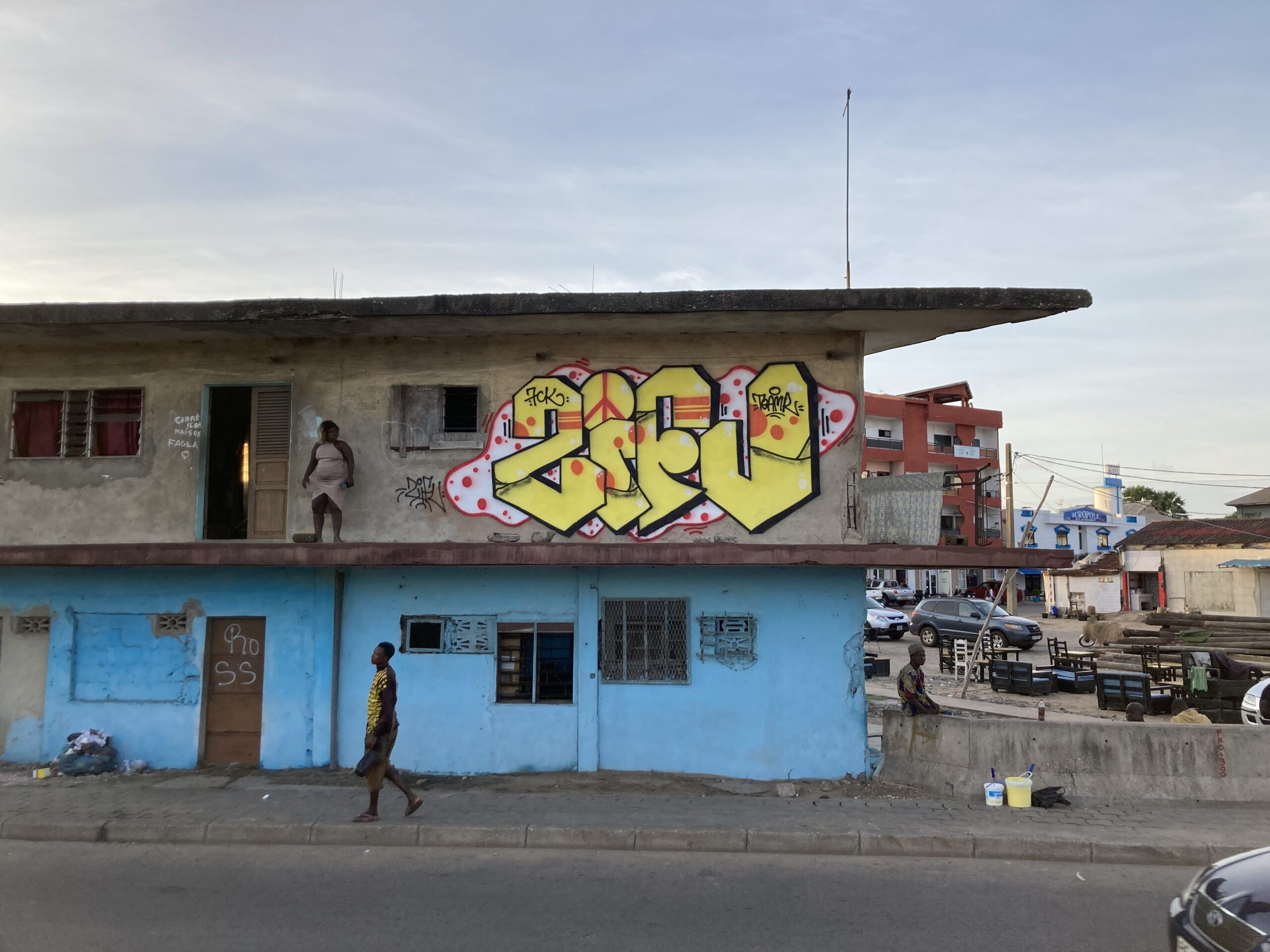
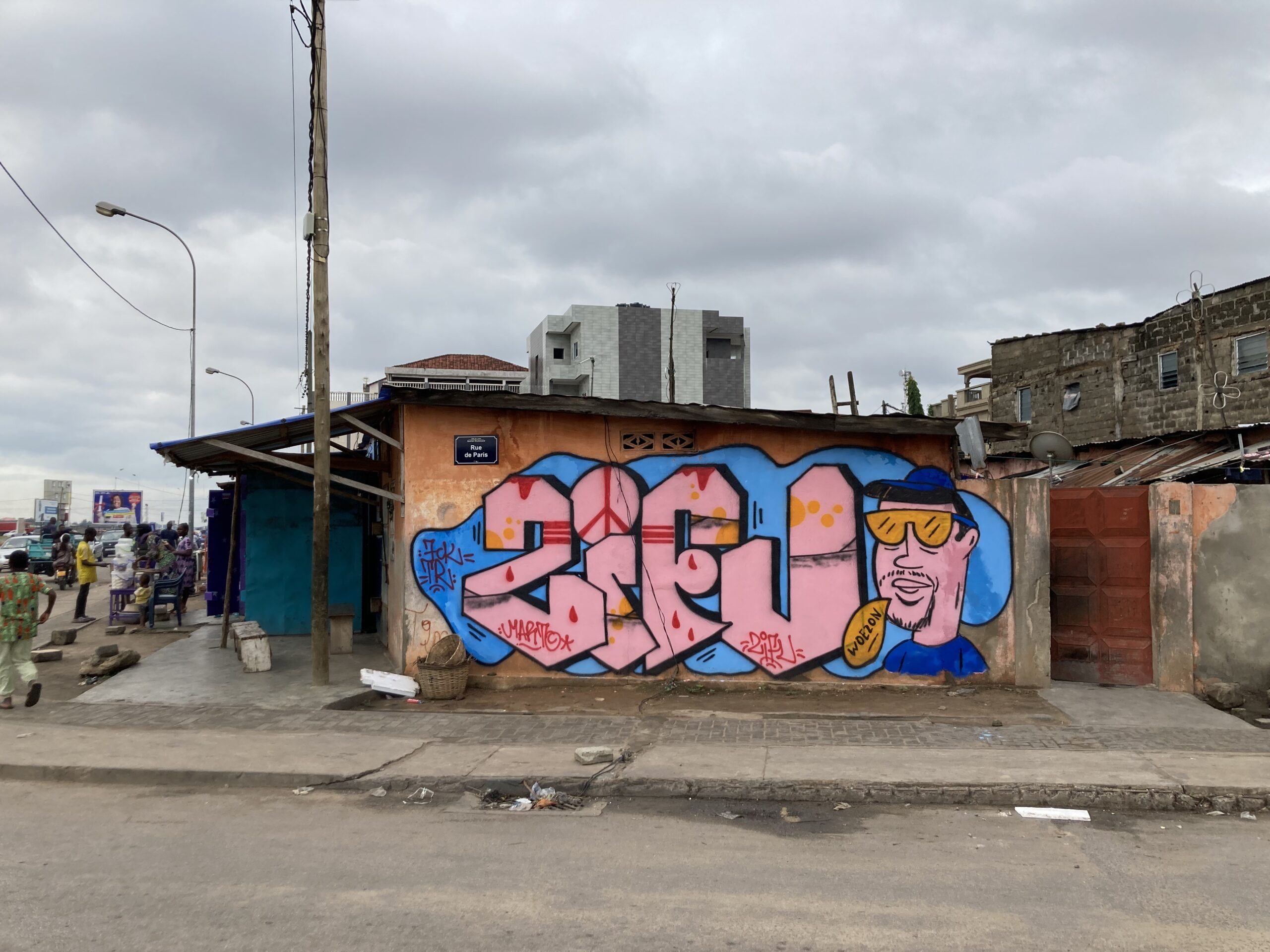
I am not good at drawing but after so many years of painting, I wanted to introduce some other values in my pieces. At the same time, I wanted to keep it simple, but I also wanted to have some character representing Zifu. So you might have noticed, but I started painting a Calao (a western African bird) in a traditional way. This bird represents dignity and knowledge. I invite you to read more about this bird and the values he incarnates in our society. Last but not least, it is also some way to give back something to Mother Africa and show that the modernity of graffiti has a strong link with the history and tradition!
Graffiti, Public Perception, and Local Institutions
Boxir: Speaking about the context surrounding you, what’s the general acceptance of graffiti, maybe you can specify it better both from a general audience/”normal people” point of view and from an institutional one. From my side, I can tell you that the perception as a European tourist is a general low criminalization of graff in the area (probably due to other and more urgent problems to solve), with an overall interest in the graffiti and even hip hop aesthetics, probably due to the success and popularity of black artists both from US or from Africa’s rap scene — think for example of the Place du Souvenir Africain in Dakar. At the same time I remember the article about the necessity of urban decorum and quality in the local press pointing you out as a sort of public enemy. So what can you tell us more about? Any interesting story/interaction to share?
Zifu: In general, people don’t understand graffiti: why would you spend money, time and effort to paint a wall that doesn’t belong to you? They usually don’t understand why I do it. It can lead to debates in crazy environments, especially when I ask permission to paint a private property (sometimes I ask, and sometimes I don’t!).
There is a law in Ivory Coast punishing savage advertisements, but no specific law about graffiti… As you said, the police have other more important things to do rather than catching people decorating walls! We have many other problems around here, even if it’s becoming more sketchy to paint the whole town…
Some cops stop and ask me if I have permission to paint — I always tell them I do! Most of them don’t really care. There were cases when some of them would stop to congratulate me or to take me for a round at the police station for registration… The situation is not clear!
I have the impression that graffiti in West Africa is now at the point where Europe was 20 years ago… people do not recognise my impact on West African society yet, but it might come one day!
However, as you went to Sénégal and Ivory Coast, you can already compare these two countries: Senegalese people are more into art than the Ivoirians! So we cannot really globalise the region. My playground is in West Africa and I hope that I can inspire locals to paint and do graffiti like we respect it!
It might sound funny, but people in Ivory Coast think that ZIFU is a crew, and that there are many people involved in writing that name!
Often, I have conversations with random people walking by, and they always think that one person wouldn’t possibly do so many paintings! Another interesting fact: in the streets, graffiti is associated with my name. A French friend of mine was painting in town a few months ago — people would ask him if he was doing “a Zifu” because he was using spray cans to paint a stencil!
A Pan-African View of the Scene
Boxir: Enlarging the frame to the full region, what can you tell us about the other countries of West Africa in terms of scenes and possibility to paint? From what I am aware of, there is possibly no one that can have a more panafrican view than yours. Tell us about your trips and visits to the neighboring countries and if there is any artist in the area we should know and take a look at.
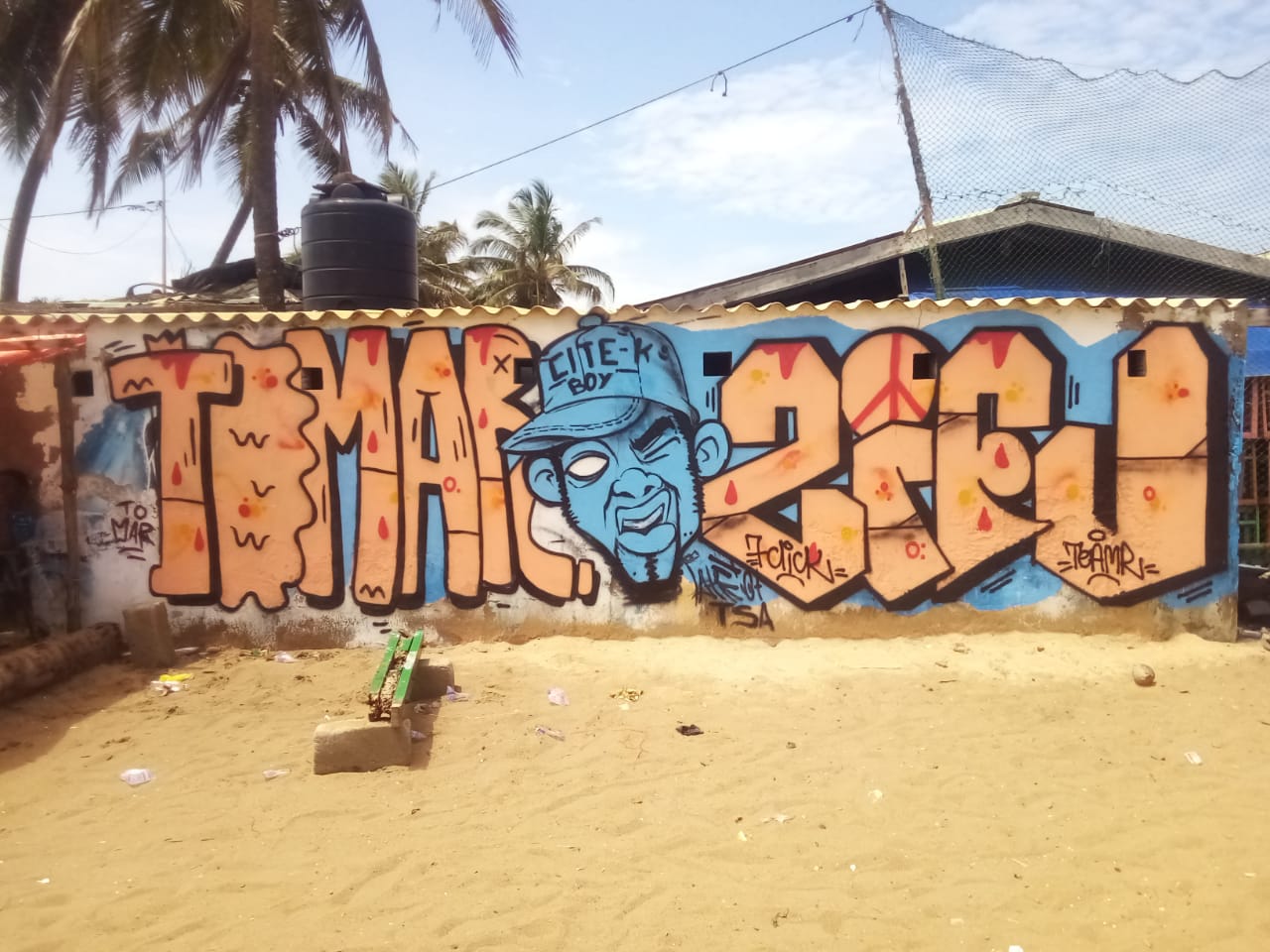
Zifu: I can tell you about West Africa — I was lucky to travel with my parents as a kid and now I have the luck to be able to travel with my job. Every time I travel, I paint after work! I drop tags and stickers as well! I have visited most of the West African area, although there are a few countries on my bucket list that I wish to visit before the end of 2026 in order to “cover” this zone! Even if you can’t understand the whole situation of a country in a couple of days, I can assure you that I am a pioneer in this field!
First of all, it’s quite challenging to get good quality cans, so I mostly paint with roller and shitty Chinese cans that you can easily find in West Africa. There are some places like Dakar or Abidjan where you can now get decent spray cans (at a decent price) so I really like travelling to Senegal! I have to admit, I have always been lucky and I did not go to many police stations compared to the amount of paint sprayed!
I try to connect with locals — I like to meet them after painting a piece on my own but it’s not always possible. I have friends in many countries around, I try to meet the locals in every town I go to!
When I travel in the region I mostly paint during the daytime. I prefer that, and I would recommend it for safety reasons. It also looks like you have permission to paint. Of course, you should also go out at night but maybe for faster actions!
There are many options to paint in West Africa, and you never know how long your piece will last for! The cities are changing and growing so it evolves quite fast, especially in Abidjan. There are many spots in the area, old walls, abandoned places, or just walls that nobody cares about.
I have to say that only a few artists really impress me in the area in terms of graffiti:
— Seencelor (Benin): letters and characters
— Chimere (Conakry): portraits
— Patriot (Togo): pushing the game
— Marto (Burkina Faso): mostly commission works but very active
— Beks (Cameroon): street presence
— Scrapa (Ghana): strong style
— LE (Dakar): the most active tag writer there — never met him!
I can only tell you that I have not met anyone active in the whole area, and as you said previously — in many towns, I paint more than the locals themselves!
Africa is huge, and I am concentrated on the western part. Up north, I painted in Morocco with Trick54 — at the time he was controlling Casablanca and we became good friends… The south is also appealing and very different but I do not get to go there with my work!
If you are visiting West Africa don’t hesitate to contact me and I’ll put you in touch with the guys I know — it will be my pleasure! It’s always hard to compare the different scenes of these countries as they differ at so many levels of development! In some countries like Liberia, Sierra Leone and Niger, you see almost no graffiti… in Benin and Togo, there is a small but growing scene.
Travel, Influence, and the Ratio of Tourists to Writers
Boxir: Talking about traveling, how do you see the impact, and the importance of it, in terms of tourists passing by the country, expats moving in or even locals living in between West Africa and Europe/US, for the local scene? Do you see any stable connection or specific influence? You played on both sides, do you see any advantage or disadvantage?
Zifu: It is not that simple to travel around West Africa. You need a visa for most of the countries. In order to get a visa, you need to pay and get organised — it’s rather complex. There are many people travelling from Europe to Senegal with charter flights, as Europeans don’t need any visa there. There are quite a lot of tourists going to Dakar and it’s always a pleasure for me to discover the passage of a writer or a crew in town.
The US impact is more on English-speaking countries like Ghana, Sierra Leone and Liberia. In those countries, there are some American writers passing by. You can basically count on your hands the number of tourist writers that have passed these areas and painted them!
There are also some expats living in the region and you can see their work — but their impact is really low around the region.
If I have to compare painting in Europe or West Africa: Europe is more urban, the society is more individualistic, while in Africa, there are much more people in the streets. In Europe, at night I’m sometimes scared by the silence around me! Even the smallest noise you do might get noticed!
I’ve had some experience in Monrovia, Liberia when I was tagging around and almost walked on a bum as I didn’t see him in the dark… Then you ask yourself: “what the hell are you doing out at night while people don’t even have one meal per day?” I mean, there is poverty all around the globe, but our area is particularly poor. The social gap between the classes is exacerbated.
Also, in Africa, as the situation is more tense, you have guards everywhere (to reduce the amount of robberies). They can be pretty annoying if they see you painting… Sometimes they have guns, and it’s better to try talking or corrupting them rather than running away. It’s just another dimension and another way of handling things!
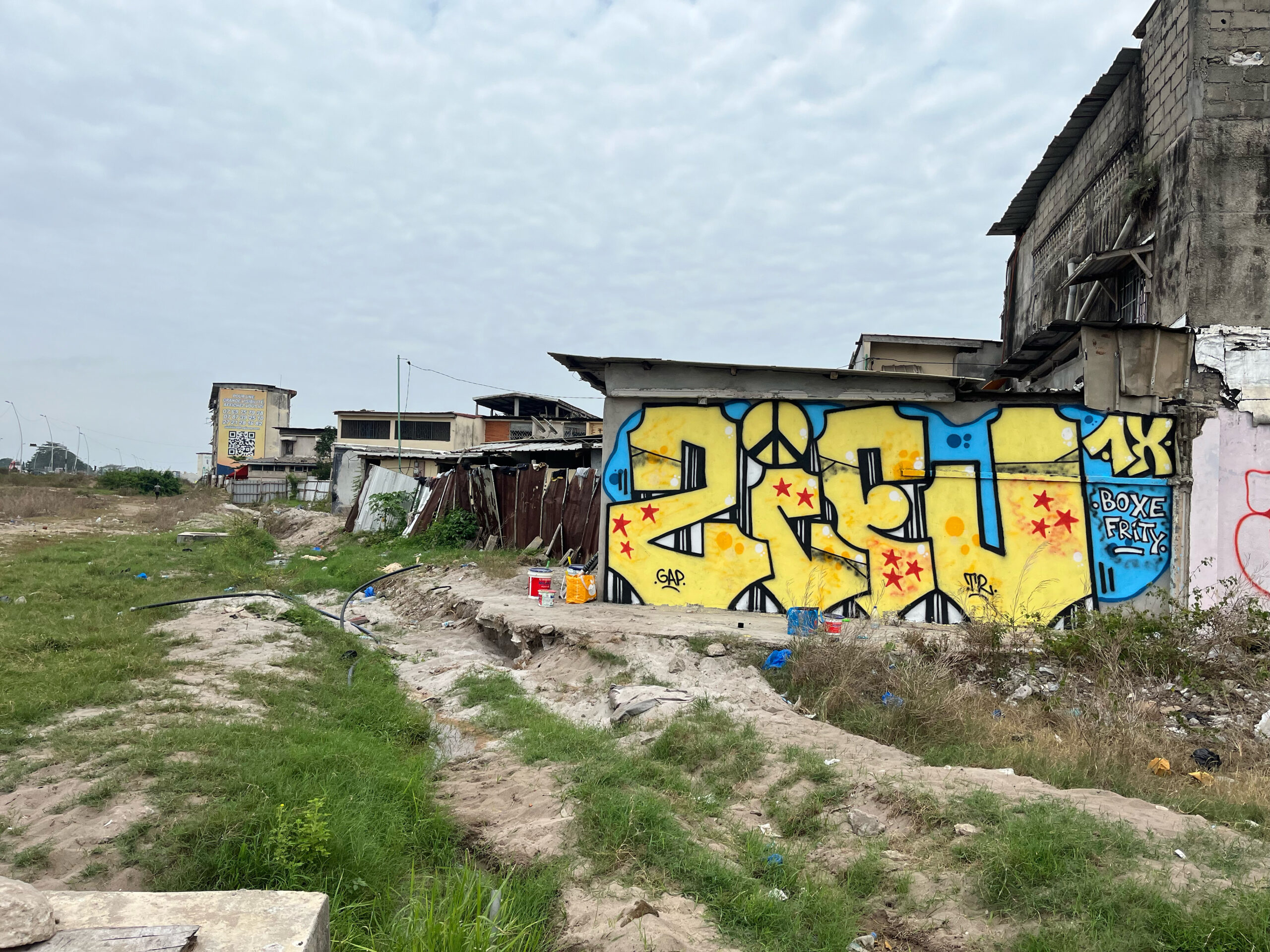
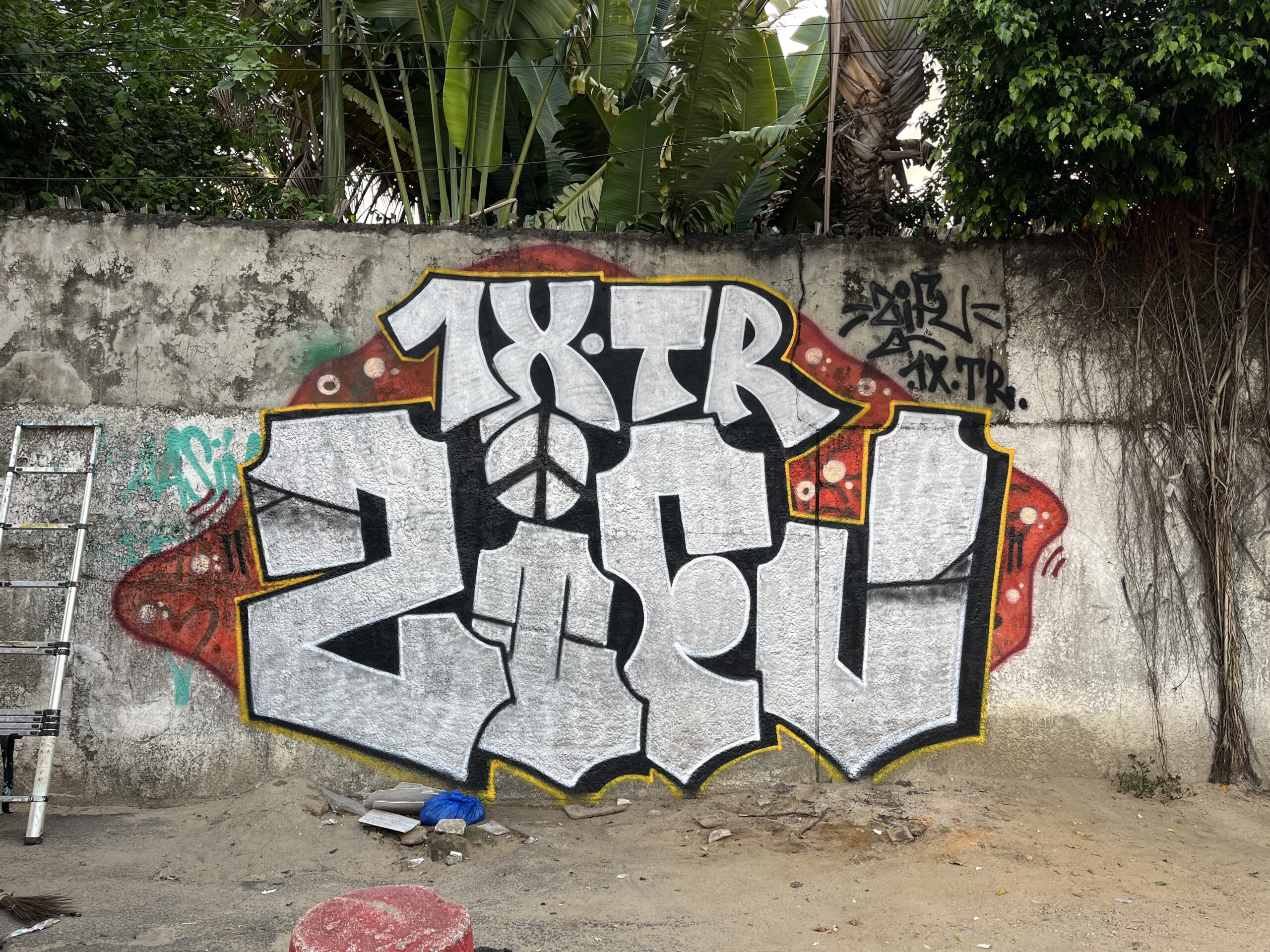
In general, it’s mostly tourists’ paintings that you can see: expats usually don’t find their ways to paint, they get robbed at night and stop painting. I don’t want to sound sarcastic, but my son (who is 7 years old) has more pieces in the streets of Abidjan than many expats that are “graffiti writers”, lol!
As for the tourism in Abidjan, I can say that most of the writers and friends that came to visit me brought friends of friends for more than 10 years. Ever since I have an Instagram account, I have made nice connections with people coming on holidays here.
Future of the Scene — and the Subway Effect
Boxir: Speaking about the future, what do you see as a possible development for the full area in terms of graffiti? I see a lot of new interesting things spreading out, both in the long and short term, from new railway systems construction/expansion to the arrival of Meeting Of Style in Senegal at the end of the year…
Zifu: There will be more and more jams organised in the region, that’s for sure! As I’m not a really skilled guy when it comes to event organisation, I have to admit that I am not so interested in these types of events. If I have 20 cans, I would prefer doing a few pieces, well placed in town, rather than one huge one on a legal wall…
The construction of the subway here will definitely attract some tourists and writers! Let’s see if it will have an impact on the local scene that is struggling to emerge!
Nowadays, graffiti is present globally, and with the development of the middle class in the area, I’m sure that there will be more and more adepts for this discipline. More and more companies use this art for marketing purposes, in order to promote their social image, products and services. I think it’s like everywhere in the world — this discipline is being assimilated to street art. Only some part of the population can make the difference between graffiti, vandalism and street art…
Nowadays, painting graffiti is becoming “trendy”! There will be more and more writers appearing! I think that every generation brings some new techniques and methods. The cost of the material for painting is decreasing, and I have the impression it’s more accessible compared to the past. That helps a lot when you start and don’t really have means.
Personal Horizons — Family, Moving, and a Future Fanzine
Boxir: And about your own personal future, any project you would like to share with us?
Zifu: My future is uncertain! I hope that my kids will get more skills and that they will continue this passion when they get older. I want to continue travelling, discover the world and put some Zifu around! Travelling is for me the best way to spend your life, but it’s not that easy when you have kids. Travelling the world from West Africa is also super expensive…
I guess I will move back to Europe one day, even if I’m not thrilled about this idea! But I will always come back home and I hope to be able to continue painting in West Africa! There are advantages and disadvantages everywhere… However, in my opinion, the climate is definitely better in Abidjan!
It has been many years that I am thinking about producing a small fanzine with some painting stories and I have been collecting pictures, so I guess it will come out in the next year or so.
Final Words — Crews, Shoutouts, Survival Tips
Boxir: Thanks a lot for your time and for sharing your unique experience. Is there anything you would like to add? If you want to greet anyone, that’s the moment. And if you have any suggestions for the next ones visiting Ivory Coast or West Africa, it’s always more than welcome…
Zifu: Thank you for this opportunity — I have never done this type of exchange! I would like to greet my first crew, Team Royal, there are a few team members that are still active! I am now a member of the 1X Crew — a crew mixed with rap and graffiti — big up Himra (if you don’t know him yet, run and listen to any of his tracks!) and Styck! Amiks, bros from Valencia: CEIS / AIRE / DAGER and co! Last but not least — I joined The Gap Crew last summer! Shoutout to Hizep, Ndek and Alzo!
For the ones that are planning to visit the area: contact me and it will be a great pleasure to paint together!
One more piece of advice: bring as much stuff as you can — cans, markers, equipment — as it’s tough to get them here. Peace!
Follow Zifu & Explore More
👉 Follow @zifu225 on Instagram for daily updates, missions, and new walls across West Africa.