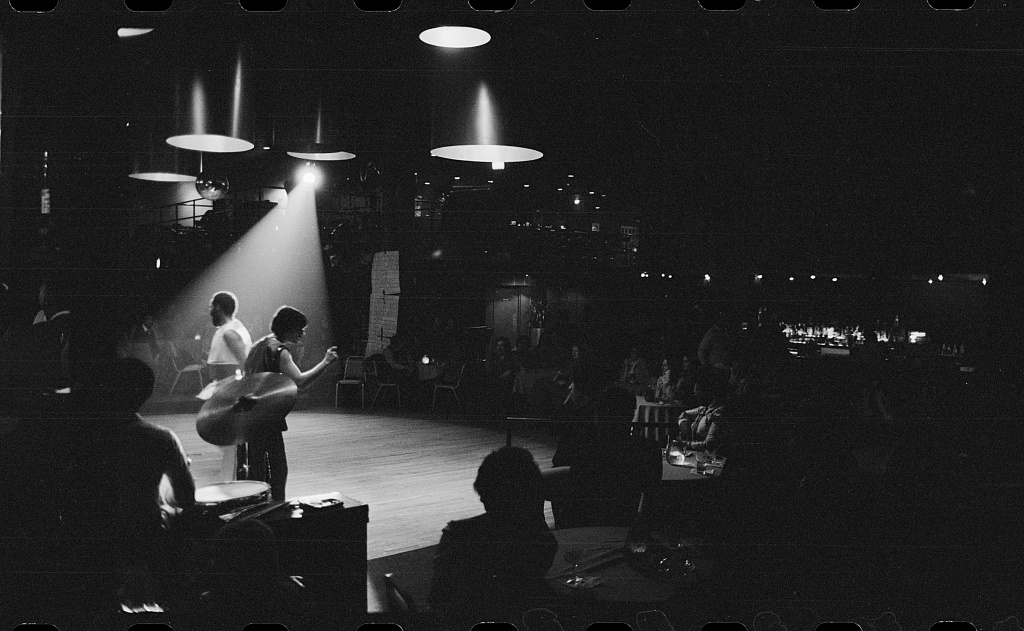
Disco has often been reduced to a cliché — a glitter-covered soundtrack trapped between nostalgia, caricature, and the endless replay of a few global hits. Yet behind its mainstream image lies a far more complex history: one shaped by underground clubs, marginalized communities, radical forms of nightlife, and profound transformations in music, fashion, sexuality, and urban culture.
Emerging from the dancefloors of New York during the 1970s, disco quickly became more than a musical genre. It created new social spaces, transformed the role of DJs, reshaped the relationship between bodies and sound systems, and laid the foundations for contemporary club culture and electronic music. From the loft parties of downtown Manhattan to the global evolution of house, techno, and rave culture, its influence continues to reverberate far beyond the era usually associated with mirror balls and Studio 54.
Bringing together firsthand accounts, historical investigations, record guides, and cultural analyses, this selection of books curated by Uncle Texaco explores disco from multiple angles. Together, they map a broader history of the dancefloor — as a space of celebration, experimentation, resistance, and cultural reinvention.
1. Witnessing Disco in Real Time
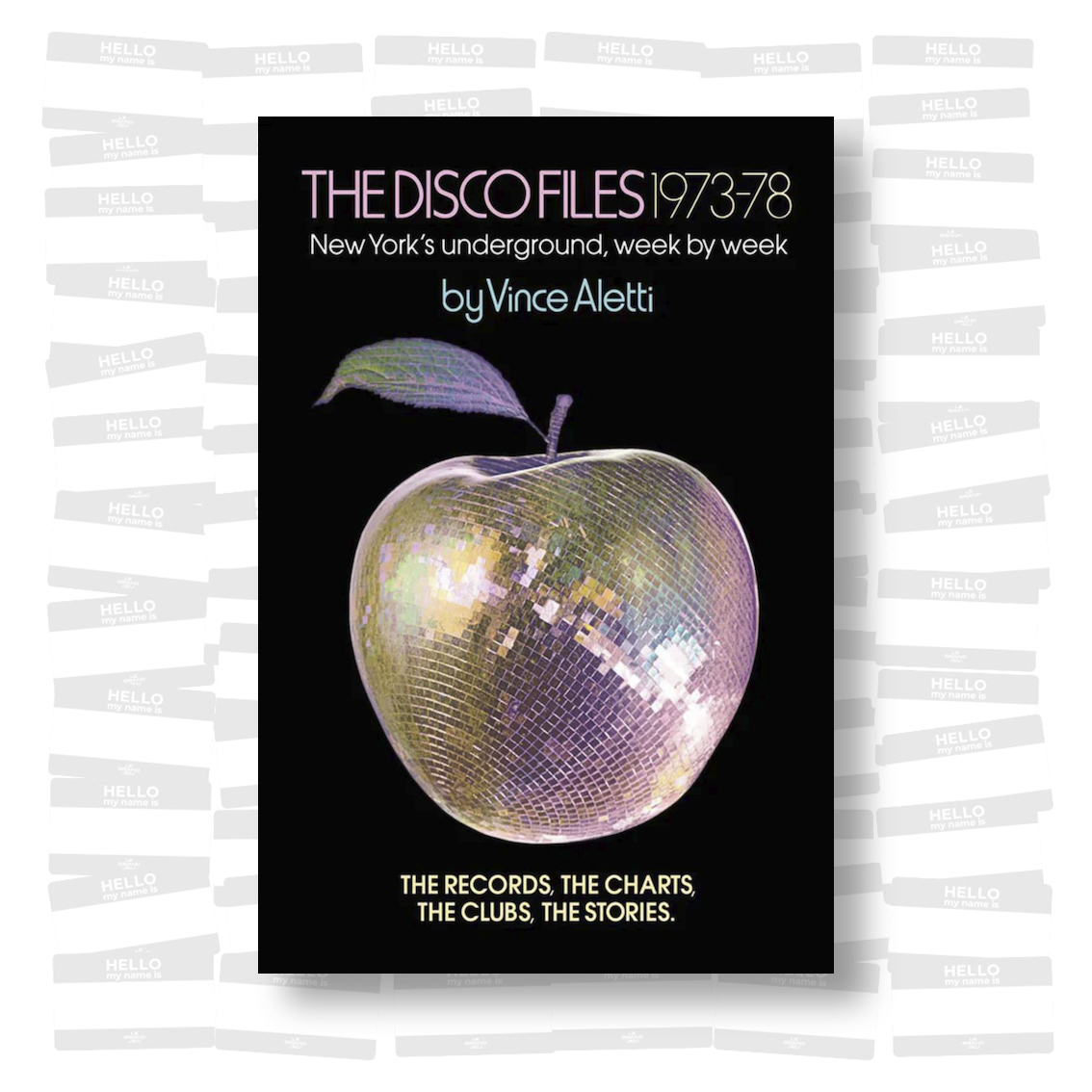
The Disco Files 1973–1978 – Vince Aletti (2009)
The Disco Files 1973–1978 by Vince Aletti is widely considered one of the most valuable and authentic accounts of the golden age of New York disco. Through a collection of reviews, columns, and articles originally published in Record World, Aletti documents in near real time the explosion of disco culture between 1973 and 1978.
The book captures the raw energy of the early dancefloors, the rise of superstar DJs, the evolution of the 12-inch single, and the birth of a new way of producing and experiencing music. More than a book about disco, The Disco Files tells the story of how an underground scene rooted in gay, Black, and Latino clubs evolved into a global cultural phenomenon.
First edition published by DJhistory.com, 2009
Second edition published by Distributed Art Publishers (D.A.P.), 2018
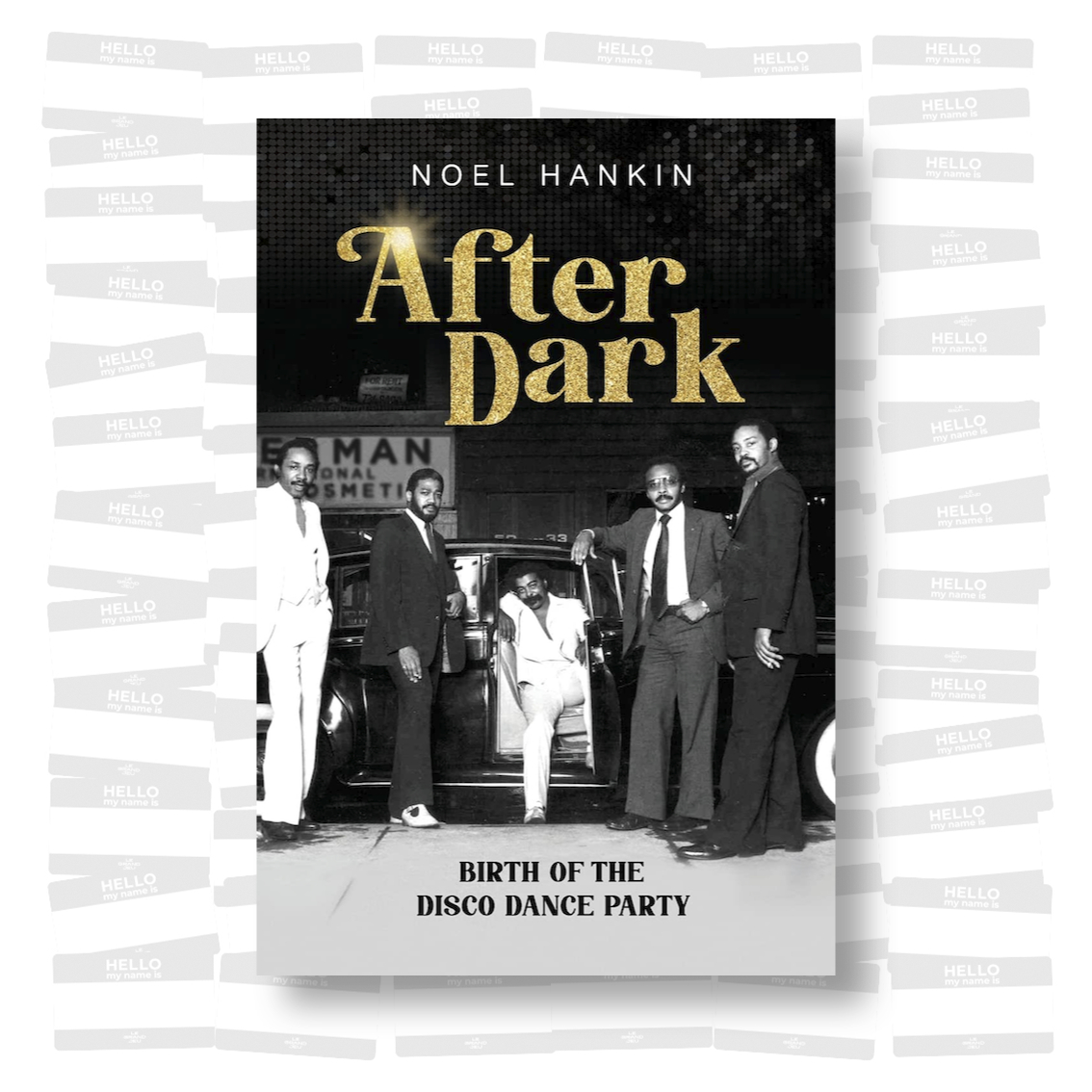
After Dark: Birth of the Disco Dance Party – Noel Hankin (2021)
After Dark: Birth of the Disco Dance Party by Noel Hankin traces the origins of disco culture through the lens of New York’s earliest underground dance parties. The book focuses on this foundational period when music, fashion, sexuality, and freedom of expression came together to create a new cultural phenomenon centered around the dancefloor.
Through anecdotes, archives, and firsthand accounts, the book tells the story of the first clubs and parties that shaped the disco aesthetic before its global popularization. It highlights the crucial role of gay, African American, and Latino communities in creating this festive and inclusive space, as well as the decisive influence of DJs in transforming both the sound and the experience of nightlife.
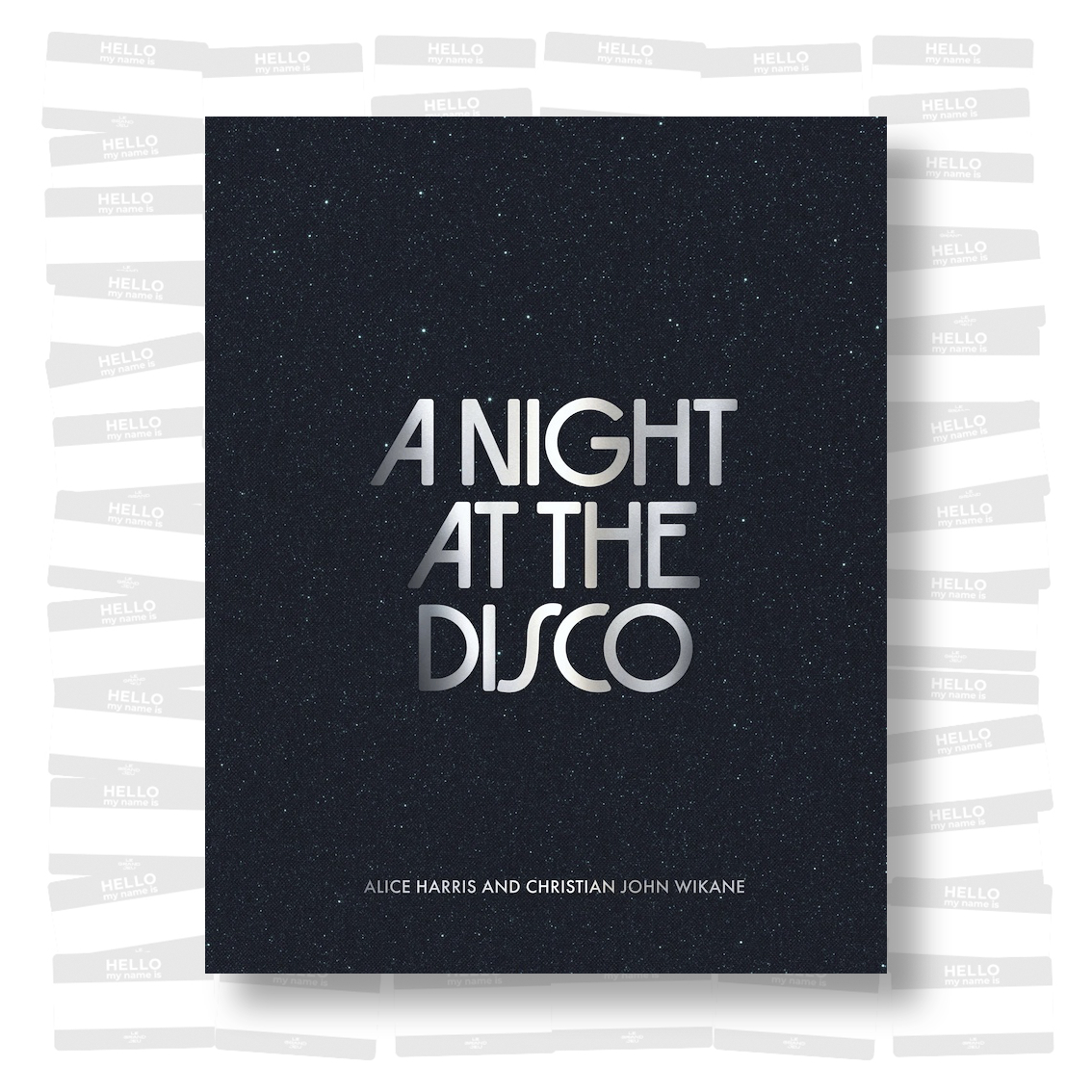
A Night at the Disco — Alice Harris & Christian John Wikane (2026)
At first glance, A Night at the Disco operates through images. The book captures the visual intensity of the 1970s: crowded dancefloors, mirrored balls, bold silhouettes, and the unmistakable glow of nightlife at its peak. Through photographs, anecdotes and testimonies, it reconstructs the atmosphere of an era where going out was not just entertainment, but a ritual. Signed by Alice Harris, known for her work on fashion and visual culture, and Christian John Wikane, a music journalist with a deep connection to artists and scenes, the book works as both archive and celebration — a visual entry point into disco’s golden age.
2. The Social & Political History of Disco
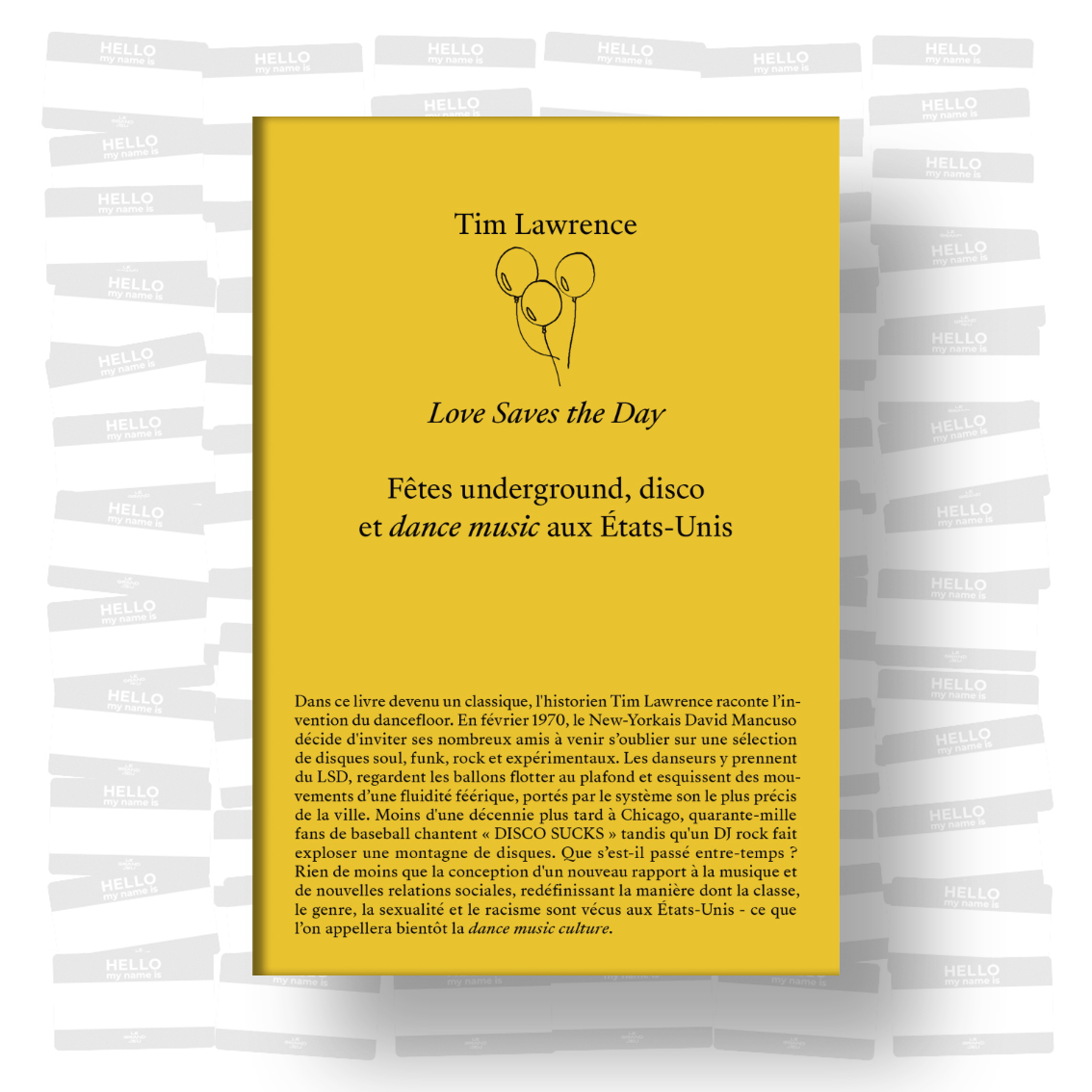
Love Saves the Day — Tim Lawrence (2004)
Then there is Love Saves the Day, translated in French by Audimat Éditions and widely regarded as the definitive history of disco. Where the first two books move through images and synthesis, Tim Lawrence goes deeper — reconstructing the scene from within. His work traces the origins of disco back to its earliest nights, long before commercial success, when DJs, dancers and communities were shaping something new in real time. Built on hundreds of interviews and an extraordinary attention to detail, the book immerses the reader in the texture of those years: the sound systems, the clubs, the people, the energy. It reads almost like a novel, yet remains a rigorous historical account — one that shows how disco didn’t just transform music, but redefined the social function of nightlife itself.
First edition published by Duke University Press, 2004
French edition published by Audimat Éditions, 2024
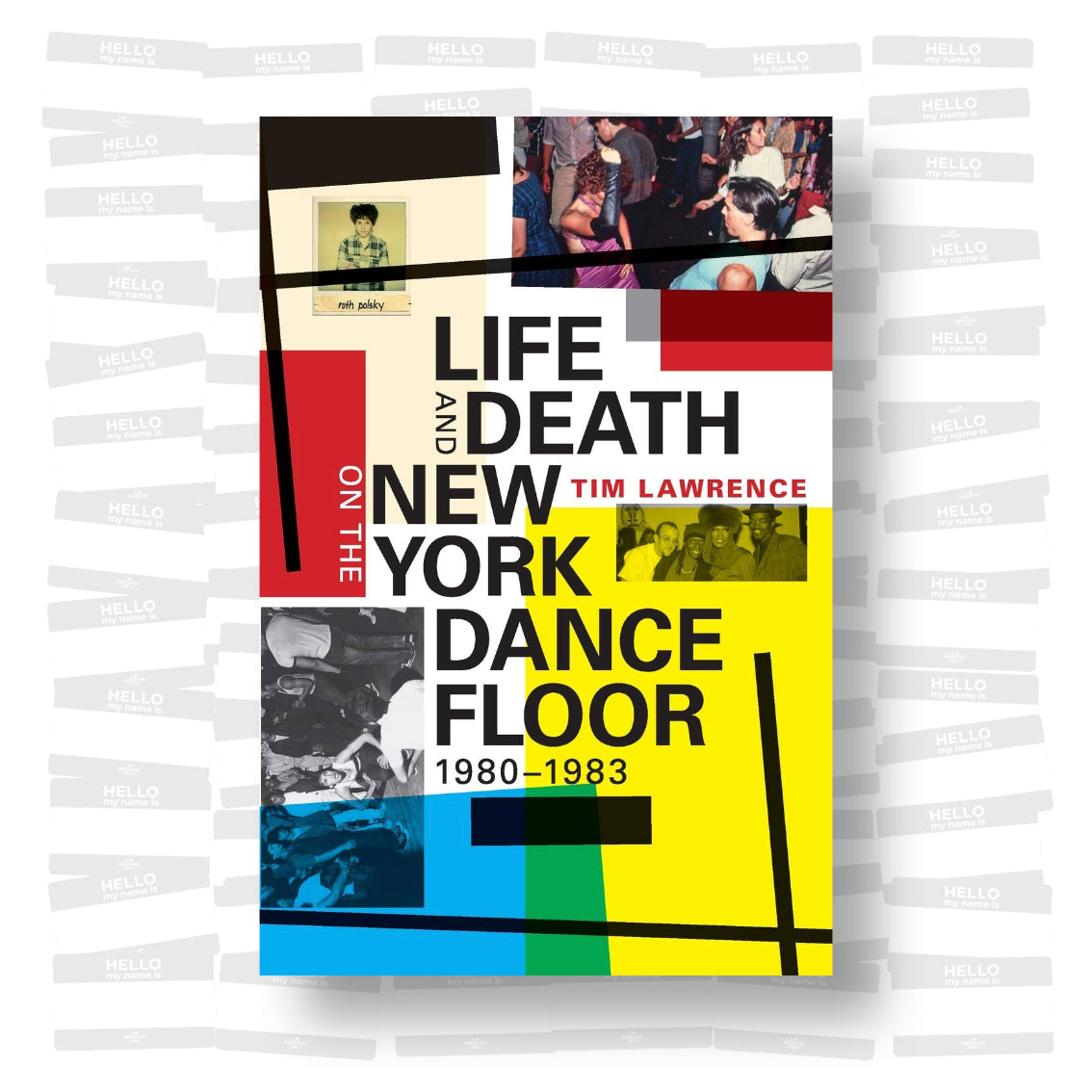
Life and Death on the New York Dance Floor, 1980–1983 – Tim Lawrence (2016)
Life and Death on the New York Dance Floor, 1980–1983 by Tim Lawrence is a fascinating deep dive into the energy of New York nightlife in the early 1980s, a pivotal moment when disco was transforming, fragmenting, and giving birth to new musical scenes.
Through exceptionally well-documented research, the book explores the evolution of clubs, DJs, independent labels, and the communities that shaped the emergence of post-disco, boogie, no wave, hip-hop, and the earliest forms of house and electro. More than a music history, Tim Lawrence tells a broader social, cultural, and urban history of underground New York.
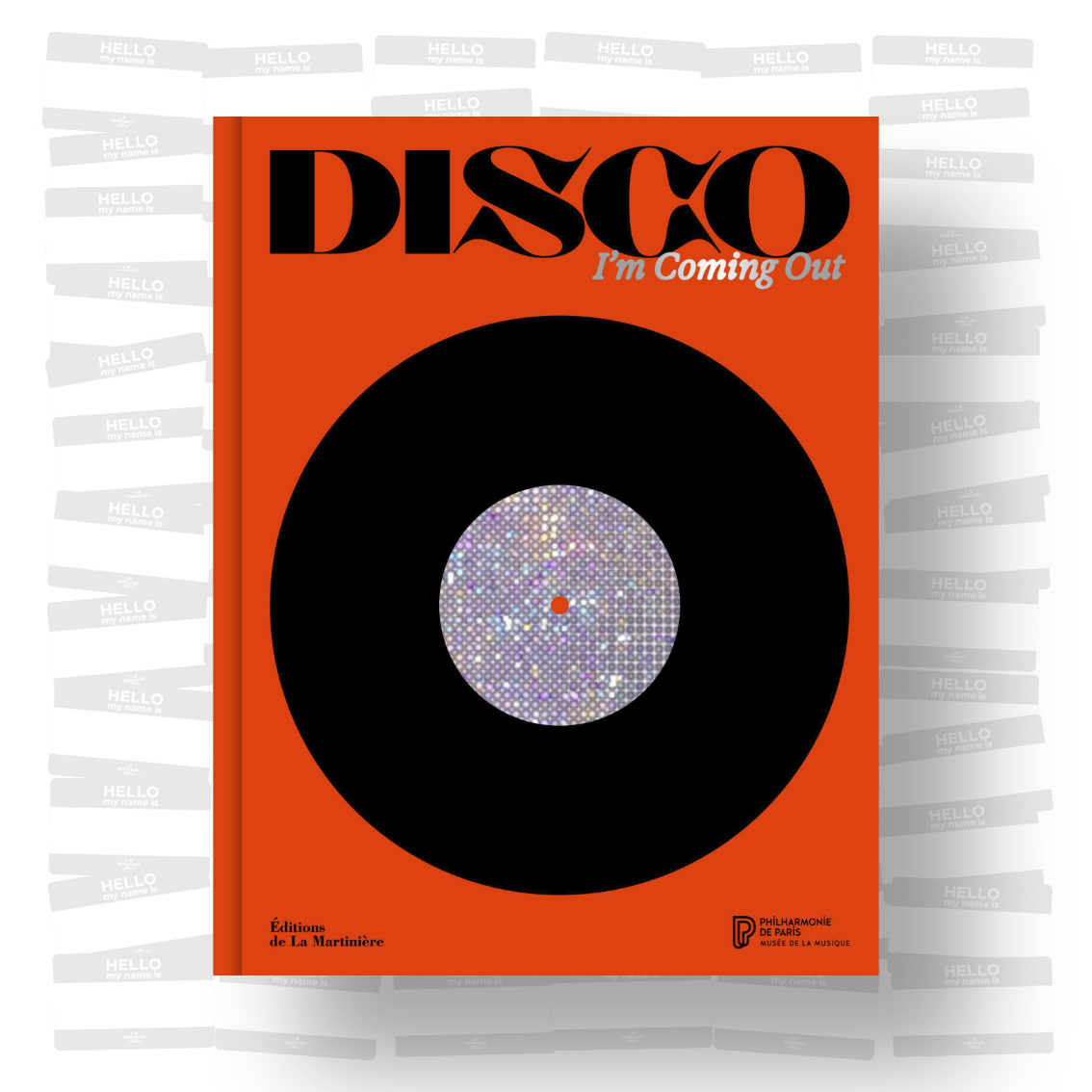
Disco: I’m Coming Out — Patrick Thévenin (2025)
But disco was never only about aesthetics. It was also a social and political force — something that Disco: I’m Coming Out makes explicit. Richly illustrated yet grounded in a broader narrative, the book expands the frame to show how disco emerged from specific communities before becoming a global movement. Clubs were not just places to dance; they were spaces of visibility, experimentation, and emancipation. Through accessible texts and carefully selected archives, the book highlights how music, fashion, and identity intersected to form a cultural shift. Edited by Patrick Thévenin, it offers a perspective that is both informed and engaging, bridging documentation and interpretation.
3. From Disco to Club Culture
Turn the Beat Around – Peter Shapiro (2005)
Turn the Beat Around by Peter Shapiro is a wide-ranging exploration of the history of dance music, tracing the connections between disco, house, techno, rave culture, and modern electronic music. Through a historical, cultural, and social approach, Shapiro shows how the dancefloor became a central space for expression, freedom, and musical innovation.
The book looks back at the underground origins of disco in New York clubs during the 1970s before following the evolution of scenes in Chicago, Detroit, London, and Ibiza. It highlights the DJs, producers, labels, and communities that shaped the development of electronic music and club culture over several decades.
First hardcover edition published by Faber & Faber, 2005
Paperback edition published by Faber & Faber, 2006
French edition published by Éditions Allia, 2008
Revised edition published by Faber & Faber, 2009
Faber Greatest Hits edition published by Faber & Faber, 2020

4. Guides, Anthologies & Record Culture
Night Fever: 100 hits qui ont fait le disco — Belkacem Meziane (2020)
Night Fever: 100 hits qui ont fait le disco by Belkacem Meziane offers a fascinating journey into the golden age of disco through one hundred iconic tracks that shaped the history of the genre. Part musical guide, part historical study, and part tribute to dance culture, the book traces the evolution of disco from its roots in soul, funk, and the Philadelphia sound to its worldwide explosion in the late 1970s.
Each selected track becomes an opportunity to explore an artist, a context, a production style, or a key moment in club culture. Belkacem Meziane revisits both the essential dancefloor anthems and more underground records that helped define the disco aesthetic and its lasting influence on house, boogie, and contemporary electronic music.
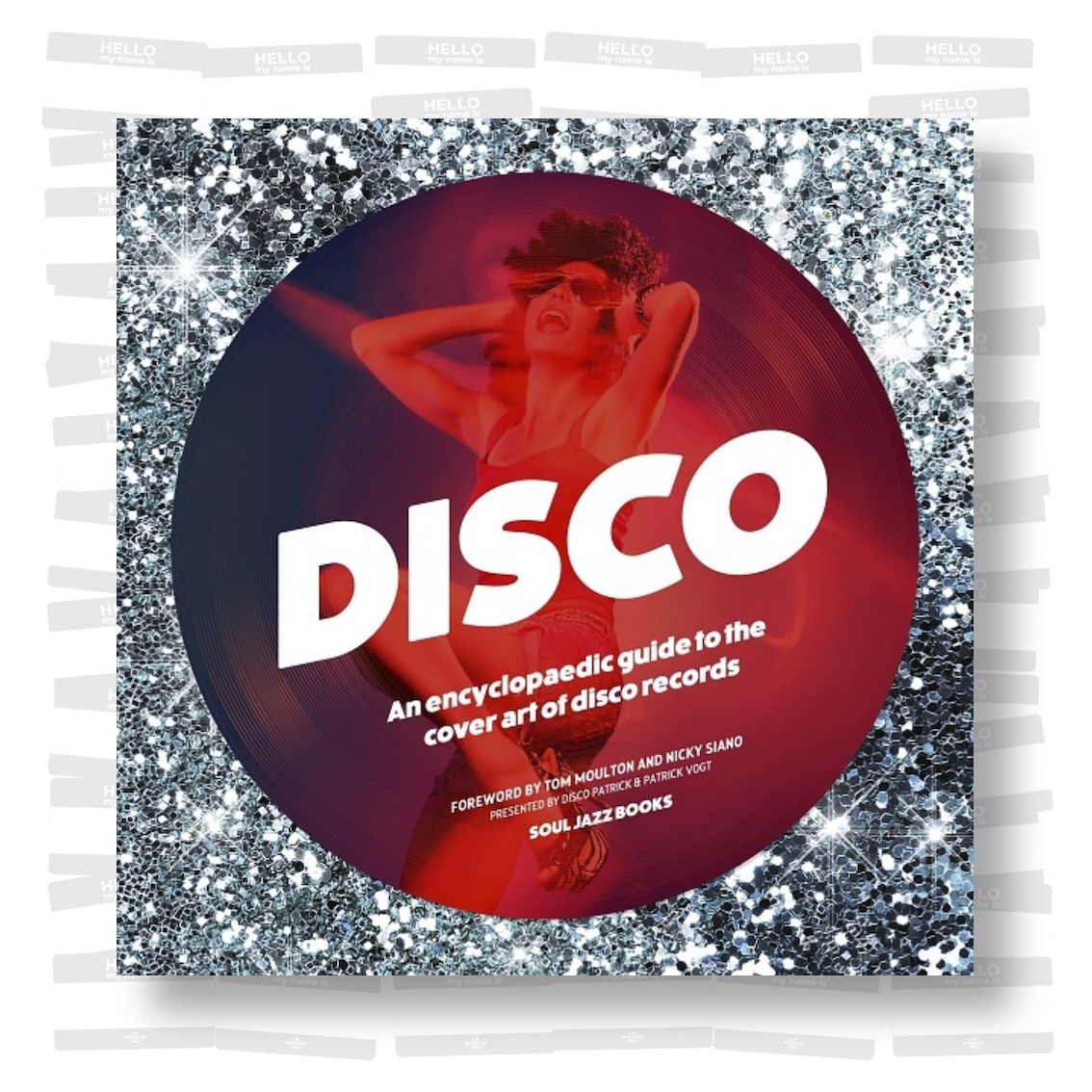
Disco: An Encyclopedic Guide to the Cover Art of Disco Records — Patrick Vogt and Disco Patrick (2014)
Disco: An Encyclopedic Guide to the Cover Art of Disco Records by Patrick Vogt and Disco Patrick is one of the most extensive visual archives ever dedicated to disco record culture. Bringing together more than 2,000 album covers and hundreds of 12-inch sleeves from the 1970s and early 1980s, the book explores disco through its graphic identity, label culture, and visual imagination.
More than a design book, it functions as a visual history of disco and its industry, documenting the aesthetics that accompanied the rise of dance music culture. Alongside the record covers, the volume includes interviews, label histories, discographies, and archival material tracing the evolution of disco’s underground and independent scenes.

Far from the clichés that have long reduced disco to a glitter-covered soundtrack of the late 1970s, these books reveal a much broader cultural history — one rooted in underground clubs, marginalized communities, radical forms of nightlife, and new ways of experiencing music collectively.
Taken together, they show how disco transformed the relationship between bodies, sound, space, and technology, while laying the foundations for contemporary club culture and electronic music. More than a musical genre, disco emerges here as a social and cultural infrastructure whose influence continues to shape nightlife, dance music, fashion, and visual culture today.
Uncle Texaco