Le Grand Jeu: Where did the Papermundi project come from?
François: Initially, the idea was to extend the stories discussed in the podcast I created, The Undersiders. Given the success of this podcast, Driver, Grégoire and I knew there was an interest in this kind of narrative. So what better way than to collect the stories directly from the people who experienced them (very) closely, and make them available to a French-speaking audience.
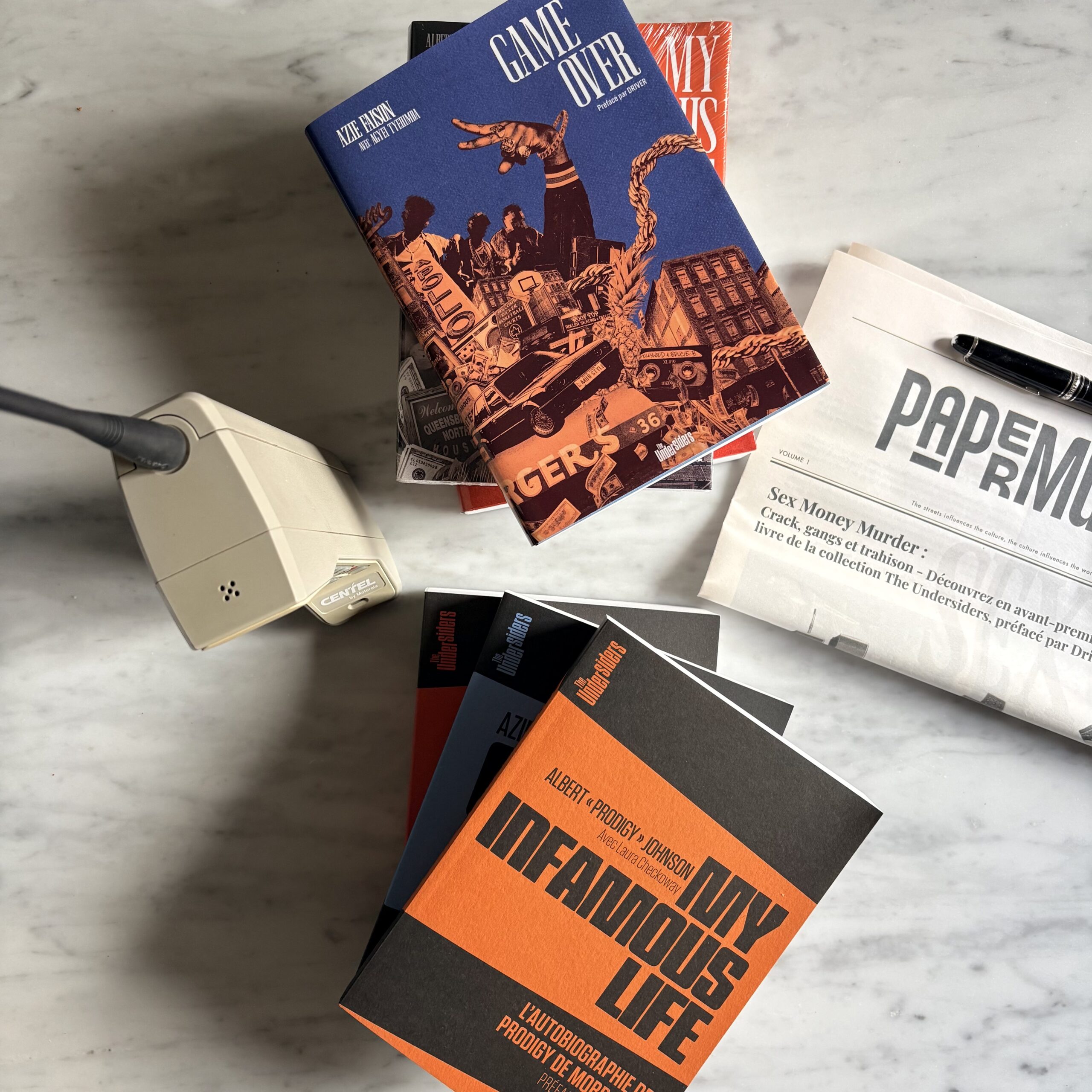
That’s how we launched our first collection, The Undersiders, named after the podcast.
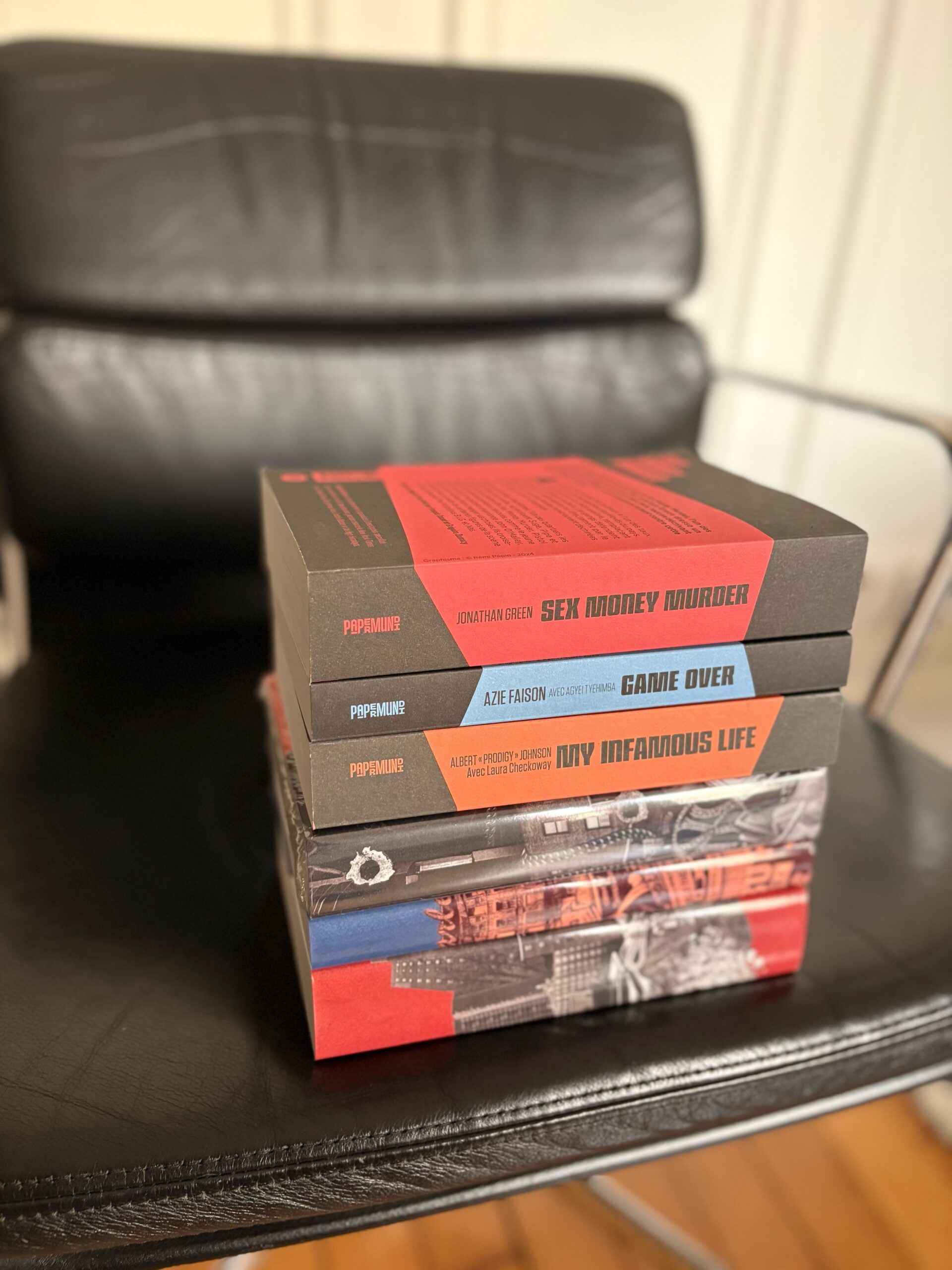
Encouraged by the very positive feedback on these first three books, we will continue developing this collection and will also launch a new one very soon.
LGJ: How did you meet Driver?
François: I met Driver more than 25 years ago through music.
More recently, we’ve been working together for about five years on the podcast FEATURING, which I produce with ENGLE.
Grégoire: On my side, I first met François through the podcast The Undersiders, and then I met Driver through François.
LGJ: How does Papermundi define its editorial line?
François: The idea is to publish narratives and photo books that each represent a building block in the broader history of Hip-Hop culture, whether in the United States or in France.
This culture now benefits from a rich archive through documentaries, films, photographs, podcasts and books. We want to be part of this dynamic, with particular attention given to curation and craft, as the three of us are very sensitive to beautiful cultural objects.
LGJ: Are there limits you refuse to cross?
François: We remain focused on the relevance and the accuracy of the stories we publish. We work with a long-term perspective. We don’t want to distort this culture or simply create short-term “buzz”.
LGJ: Do the two of you share the same sensibility when it comes to rap, and particularly American rap?
François: Personally, I have a preference for rap from the second half of the 1990s, from New York to Houston, passing through California, Houston and Memphis.
I entered this universe during that period, so there is probably a kind of crystallization around that time and its sounds. But of course I have continued, and still continue, to follow what is happening today.
Grégoire: Broadly speaking, we share the same sensibility, but each of us has our own preferences. Personally, I’m also happy to listen to Roule avec Driver to explore the history and the sounds of certain artists.
LGJ: In the long term, is the goal to finance original manuscripts, or do you want to continue acquiring translation and publication rights?
François: Yes, several fully original projects are currently in development. We also remain attentive to different proposals, particularly around French rap and its history, which is also extremely rich.
LGJ: Why create a publishing house instead of joining an existing one and adding your personal touch to a collection?
François: The entrepreneurial spirit, the desire to remain independent, and the possibility of publishing the books we want, when we want. We speak the same language and share a common understanding of this culture, while mastering the entire publishing value chain.
LGJ: What connection does Papermundi maintain with 1990s New York?
François: Since hip-hop was born in New York, there is an immense reservoir of stories surrounding the figures — famous or more discreet — who shaped this movement. For many people, the 1990s represent a golden era, marked both by artistic achievements and commercial success.
LGJ: Is there a desire to eventually open up to other American urban areas?
François: Yes, of course — and it’s already in progress.
LGJ: From the outside, it can seem that there is a close relationship between organized crime and 1990s rap. Does this appear in the background of your work (an obvious question given the podcast)?
François: Rather than organized crime, it’s more about life trajectories that intersected and influenced one another. Nothing truly systemic — the boundaries were simply more porous.
LGJ: Is Papermundi trying to highlight these connections specifically?
François: The idea is more to shed light on the smaller stories within the larger one, in order to provide additional keys to understanding certain life paths that influenced the culture.
More broadly, these narratives also help illuminate rap lyrics in light of the artists’ personal histories and the political and social contexts in which they evolved.
LGJ: Is Papermundi trying to bring the documentary dimension of The Undersiders podcast onto paper?
François: Yes, for the collection of the same name. As mentioned earlier, it was following the success of the podcast that we realized there was an audience for these stories — sometimes even beyond rap listeners.
Other collections are also being prepared and will move completely beyond that framework.
LGJ: Why does Driver seem like the ideal person to write the forewords for these books?
François: Who else could it be, I’d say…?
Neither his expertise nor his knowledge can be questioned. And when you add his sense of storytelling, you get the ultimate combo (laughs).
And since I already work with him on Featuring, it’s a real pleasure to collaborate with him on a daily basis.
Grégoire: Driver is an encyclopedia of rap — both French and American. The choice was obvious.
LGJ: Driver’s podcasts are considered a reference in independent rap journalism (especially regarding American rap). Does Papermundi aim to become a reference publishing house on these subjects?
François: Absolutely. Papermundi aims to become one of the reference publishers for these cultural objects, with the ambition of reaching an audience beyond the early rap fans.
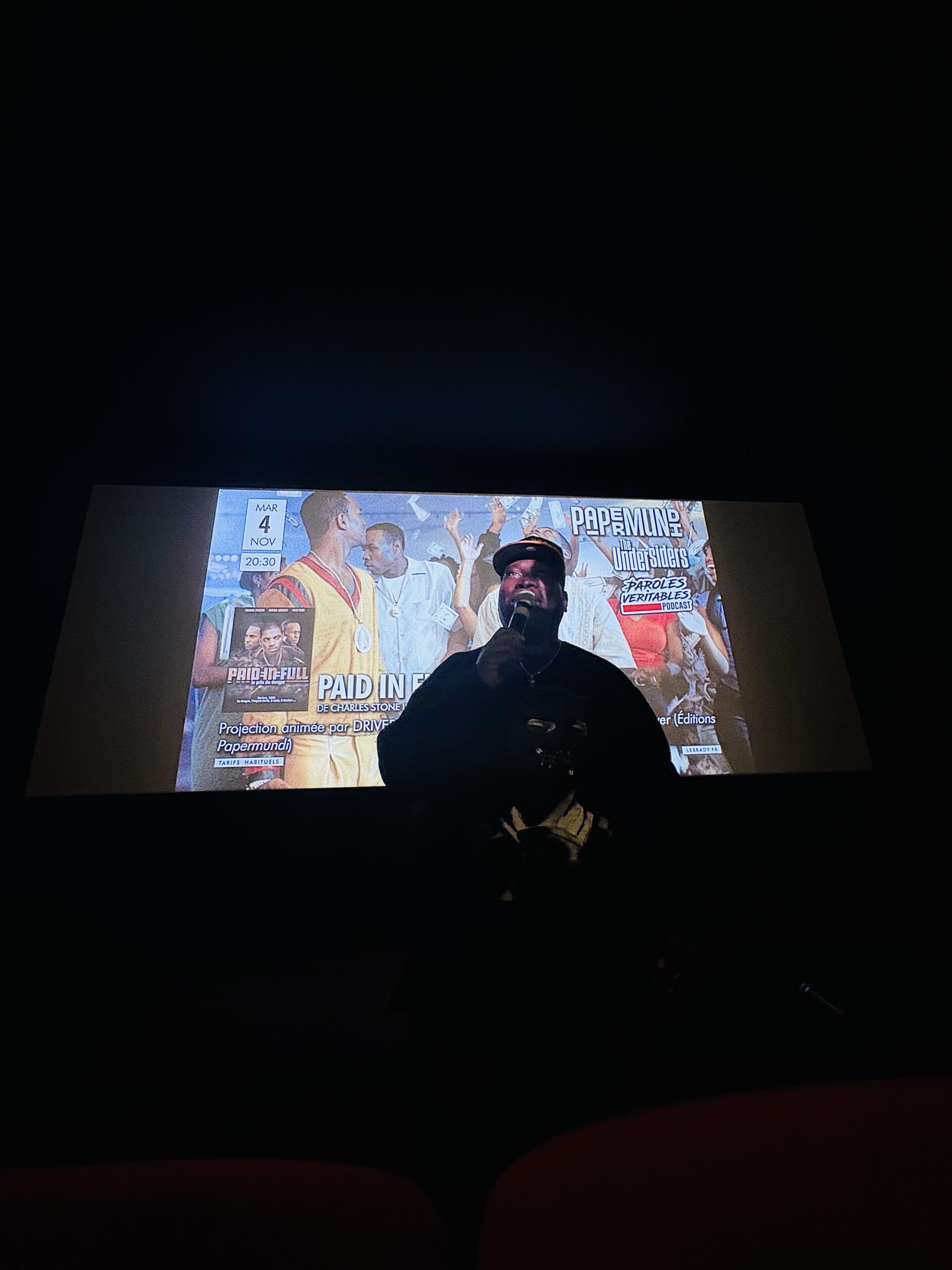
We want to be part of the movement that already exists — and that will continue to develop — alongside other structures in France. It’s a passion project, which also allows us to organize great events around book launches, like the screening of the film Paid in Full for the release of the book Game Over.